ศูนย์วิจัยกสิกรไทย มองการขยายตัวของเศรษฐกิจไทยปี 67 ที่ 2.8 % จากการฟื้นตัวของการส่งออกและจำนวนนักท่องเที่ยวที่จะกลับเข้ามาไทยกว่า 36 ล้านคน
This article is available in Thai only.


ศูนย์วิจัยกสิกรไทย ปรับลดประมาณการเศรษฐกิจไทยปี 67 ลงมาอยู่ที่ 2.8% จาก 3.1% ซึ่งประเมินเมื่อธันวาคม 2566
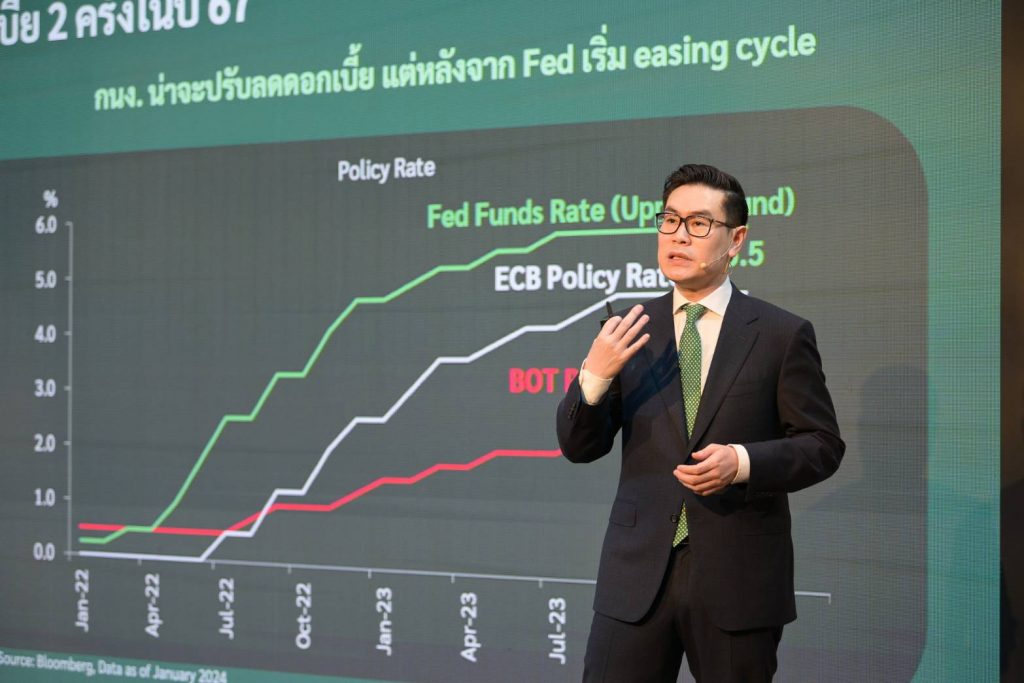
นายบุรินทร์ อดุลวัฒนะ กรรมการผู้จัดการ และ Chief Economist บริษัท ศูนย์วิจัยกสิกรไทย จำกัด เปิดเผยว่า เศรษฐกิจโลกปี 2567 มีแนวโน้มขยายตัวในระดับเดียวกันกับปี 2566 การค้าโลกน่าจะกลับมาขยายตัวได้ดี แนวโน้มดอกเบี้ยทั่วโลกจะค่อยๆ ปรับลดลงจากเงินเฟ้อที่กำลังปรับลดสู่เป้าของธนาคารกลางทั่วโลก จีนยังคงเผชิญกับปัญหาด้านอสังหาริมทรัพย์ที่ยังไม่คลี่คลาย รวมถึงเศรษฐกิจที่ยังอ่อนแอ ส่งผลให้อุปสงค์ในประเทศปรับลดและผู้ประกอบการจีนยังคงลดราคาสินค้าต่อเนื่องเพื่อรักษาส่วนแบ่งตลาด ในขณะที่ธนาคารกลางสหรัฐฯ (เฟด) ประเมินว่าเศรษฐกิจยังขยายตัวได้ดีอยู่ และได้ส่งสัญญาณปรับลดดอกเบี้ยนโยบายในปีนี้ ตลาดการเงินมองว่าเฟดจะเริ่มลดดอกเบี้ยในเดือนมิถุนายน 2567
ทั้งนี้ เศรษฐกิจไทยปี 2567 มีแนวโน้มโตต่ำกว่าคาด
โดย ศูนย์วิจัยกสิกรไทย ได้ปรับลดประมาณการเติบโตของเศรษฐกิจไทยปี 2567 ลงมาอยู่ที่ 2.8% จาก 3.1% จากอุปสงค์ในประเทศที่โมเมนตัมยังแผ่วลง
รวมถึงภาคการผลิตที่ยังหดตัวต่อเนื่อง และหนี้ครัวเรือนที่อยู่ในระดับสูง
สะท้อนได้จากยอดขายรถยนต์ในประเทศที่ยังหดตัวหลายเดือนติดต่อกัน
ในปี 2567 เศรษฐกิจไทยจะได้รับแรงหนุนจากการกลับมาเบิกจ่ายงบประมาณของภาครัฐบาลและการส่งออกสินค้าที่คาดว่าขยายตัว
2% และจำนวนนักท่องเที่ยวต่างชาติที่มีโอกาสโตถึง 36 ล้านคนในปีนี้ ศูนย์วิจัยกสิกรไทยคาดว่า ธปท. ได้สิ้นสุดวัฏจักรดอกเบี้ยขาขึ้นไปแล้วที่
2.5% และ ธปท. มีแนวโน้มจะลดดอกเบี้ยประมาณ 2 ครั้งในปี 2567 นี้
ส่วนประมาณการอัตราเงินเฟ้อของปีอยู่ที่ระดับ 0.8%
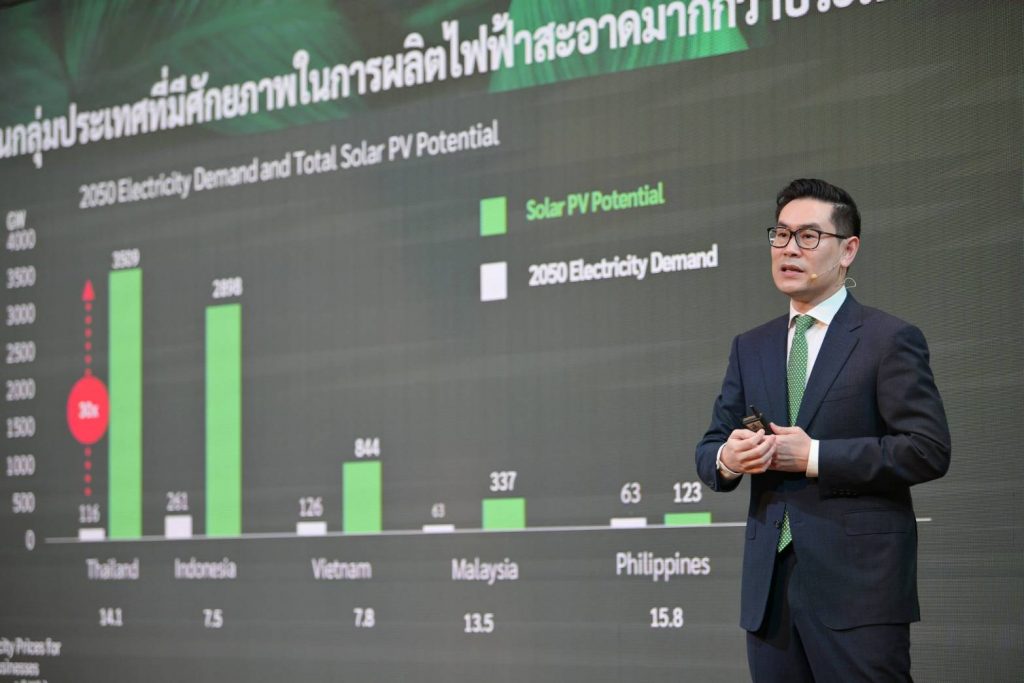
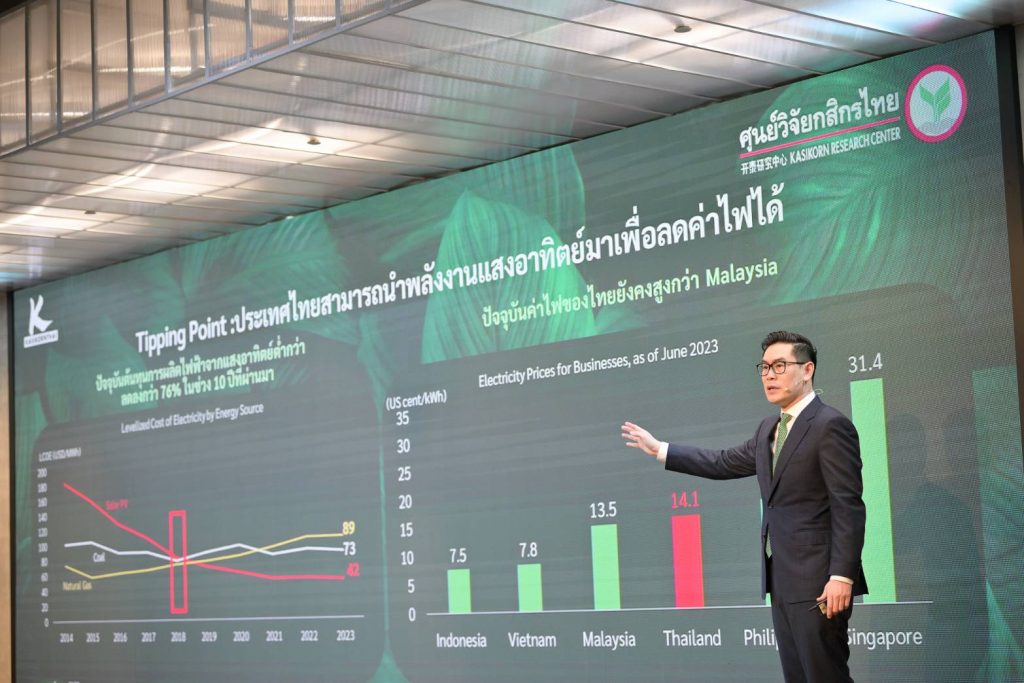
ในบริบทที่การค้าโลกมีนโยบายกีดกันการค้ายังเข้มข้นอยู่ แนวโน้มการจัดเก็บภาษีคาร์บอนจากทั่วโลก และเทคโนโลยีอย่าง AI ที่กำลังมีผลกระทบทั่วโลก ส่วนประเทศไทยที่กำลังเผชิญปัญหาเชิงโครงสร้างต่างๆ มากมาย จำเป็นต้องเร่งหาเครื่องจักรใหม่ในการขับเคลื่อนเศรษฐกิจไทย ทาง ศูนย์วิจัยกสิกรไทย ได้มองว่าในการขับเคลื่อนทั้งเรื่องการเป็นศูนย์กลางการผลิต EV ศูนย์กลางด้าน Data Center หรือการดึงดูดเงินลงทุนจากต่างชาติในการลงทุนรูปแบบอื่นๆ มีกุญแจสำคัญคือ ประเทศไทยต้องมีพลังงานสะอาดเพียงพอในราคาที่เหมาะสม เพื่อดึงดูดกิจกรรมทางเศรษฐกิจในเชิง Green Economy เข้ามาเพื่อเป็นการปรับเปลี่ยนโครงสร้างเศรษฐกิจไทย
KResearch projects Thai economy in 2024 may grow by 2.8 percent,
bolstered by export recovery and international tourist arrivals topping 36
million
KASIKORN RESEARCH CENTER (KResearch)
has downgraded its Thai economic projection for 2024 to growth of 2.8 percent,
from its previous forecast of 3.1 percent issued in December 2023.
Mr. Burin Adulwattana, Managing
Director and Chief Economist, KASIKORN RESEARCH CENTER Co., Ltd. (KResearch),
said, “The global economy in 2024 is expected to grow at the same level as was
seen in 2023. Global trade is likely to resume growth while global interest
rates will gradually decline as inflation falls to the target level set by
central banks worldwide. China continues to face the challenge of its ailing
property sector, thus far unresolved amid its weak economy, which would lead to
ebbing domestic demand and price reductions by manufacturers to maintain their
market share. Meanwhile, the US Federal Reserve (Fed) has assessed that the US
economy remains in good shape while signaling a policy rate reduction this
year. The financial markets expect that the Fed will start lowering interest
rates in June 2024”.
The Thai economy in 2024, however,
is projected to grow at a slower rate. KResearch has downwardly revised its 2024 growth forecast for the Thai economy to 2.8 percent, from the prior estimate of 3.1 percent, as
growth momentum in domestic demand remains weak, while the manufacturing sector
continues to contract, and household debt remains high, as reflected in the
contraction in domestic car sales for many consecutive months.
Support for the Thai
economy in 2024 is expected to come from the resumption in government budget
disbursements, 2 percent growth projected for merchandise exports, and
potential growth in the number of international tourist arrivals in Thailand to
36 million. Additionally, KResearch views that the Bank of
Thailand has ended its upward interest rate cycle at 2.5 percent and
will likely cut its policy rate approximately twice in the remainder of 2024.
The inflation rate is projected to stand at 0.8 percent.
In
the context where global trade protectionism remains evident, the trend of
carbon taxation and AI technology could have extensive impacts worldwide.
Thailand faces multiple structural challenges and must swiftly find new
mechanisms to drive its economy. KResearch holds the view that the key to
success – whether it be the transition to an EV hub or data center hub, or
increased foreign investment in various forms – is to have a sufficient supply
of clean energy at a reasonable cost. This would foster green economic
activities and help reshape the country’s economic structure.