ศูนย์วิจัยกสิกรไทย คงประมาณการจีดีพีปี 2567 ที่ 2.6% คาดครึ่งปีหลังเติบโตดีขึ้น แนะจับตาผลกระทบจากน้ำท่วม เศรษฐกิจชะลอ และผลการเลือกตั้งสหรัฐฯ
This article is available in Thai only.

ศูนย์วิจัยกสิกรไทย คงประมาณการจีดีพีปี 2567 ไว้ที่ 2.6% โดยครึ่งปีหลัง 2567 คาดว่าจะมีอัตราการเติบโตที่สูงกว่าช่วงครึ่งปีแรก จับตาผลกระทบเฉพาะหน้าจากปัญหาน้ำท่วม และเศรษฐกิจหลักชะลอตัว ขณะที่ การเลือกตั้งสหรัฐฯ จะมีผลกำหนดทิศทางสงครามการค้าระลอกใหม่ ซึ่งไทยอาจไม่ได้อานิสงส์มากนัก
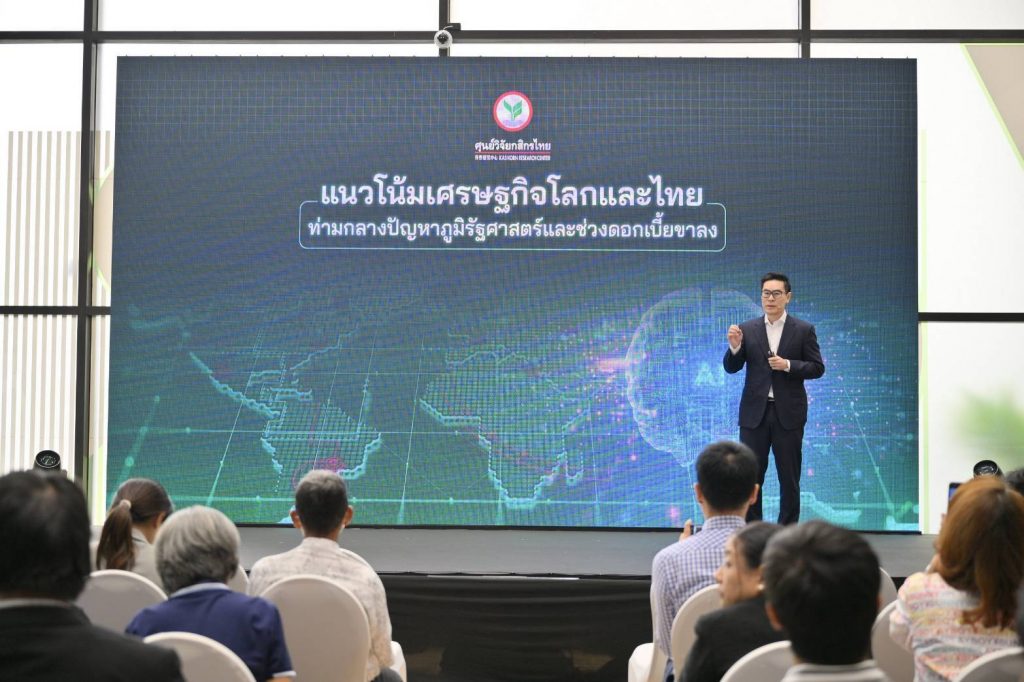
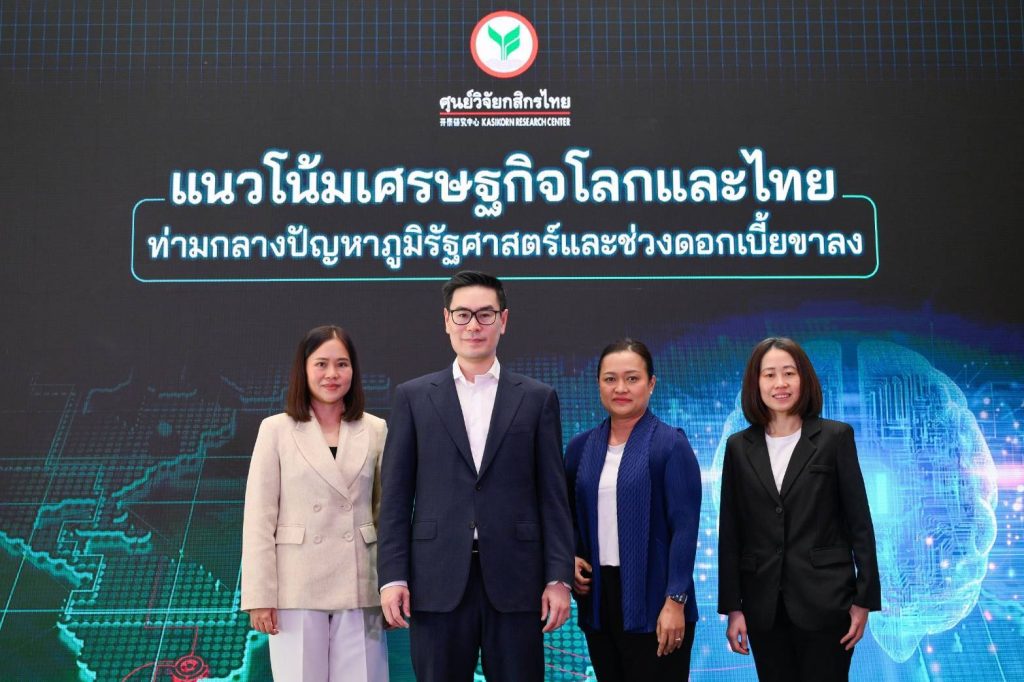
นายบุรินทร์ อดุลวัฒนะ กรรมการผู้จัดการ และ Chief Economist บริษัท ศูนย์วิจัยกสิกรไทย จำกัด กล่าวว่า ทางเฟดได้ลดดอกเบี้ย 0.5% ในการประชุมที่ผ่านมา มากกว่าที่คาดไว้ และได้ส่งสัญญาณลดดอกเบี้ยอีก 2% ภายในปี 2569 เป็นการเริ่มต้นของวัฏจักรดอกเบี้ยขาลง ส่วนทางเศรษฐกิจจีน มีโอกาสขยายตัวต่ำกว่าเป้าหมายที่ 5% ในปี 2567 จากวิกฤติอสังหาริมทรัพย์ที่ยังไม่สิ้นสุด และรัฐบาลจีนยังไม่มีนโยบายกระตุ้นเศรษฐกิจในประเทศอย่างชัดเจน รวมถึงยังเผชิญการกีดกันทางการค้าจีนจากทางตะวันตก สำหรับยุโรป เศรษฐกิจเยอรมนียังส่งสัญญาณความเปราะบาง รวมถึงผลกระทบจากความขัดแย้งทางด้านภูมิรัฐศาสตร์ยังสร้างความไม่แน่นอนให้กับภาคธุรกิจในยุโรปเพิ่มขึ้นด้วย โดยมีประเด็นที่ต้องจับตาคือการเลือกตั้งประธานาธิบดีสหรัฐอเมริกา เพราะจะส่งผลต่อนโยบายการค้าการลงทุนและความสัมพันธ์ระหว่างประเทศ

นางสาวณัฐพร ตรีรัตน์ศิริกุล รองกรรมการผู้จัดการ บริษัท ศูนย์วิจัยกสิกรไทย จำกัด ขยายความในประเด็นปัญหาภูมิรัฐศาสตร์โลกว่าได้สร้างความไม่แน่นอนให้เศรษฐกิจไทย ซึ่งมองว่าเป็นทั้งโอกาสและความเสี่ยง โอกาสในฐานะที่ไทยเป็นประเทศที่อยู่ตรงกลาง ในขณะที่ความเสี่ยงเกิดจากผลกระทบที่เกิดจากมาตรการกีดกันการค้าโลก และการแข่งขันที่รุนแรงขึ้น อย่างไรก็ตาม หากเกิด Trade War 2.0 ที่สหรัฐอเมริกาอาจมีการกำหนดอัตราภาษีสินค้านำเข้าจากจีนเป็น 60% และการนำเข้าจากที่อื่นๆ เป็น 10-20% น่าจะส่งผลให้เกิดการย้ายฐานการผลิตออกจากจีนอีกระลอก โดยเฉพาะสินค้าจีนที่ยังไม่โดนเก็บภาษีจาก Trade War 1.0 ซึ่งส่วนใหญ่เป็นสินค้าที่ใช้แรงงานสูง (Labor-Intensive) และไทยอาจได้ผลบวกไม่มาก

นางสาวเกวลิน หวังพิชญสุข รองกรรมการผู้จัดการ บริษัท ศูนย์วิจัยกสิกรไทย จำกัด มองว่า ประเด็น ภูมิรัฐศาสตร์โลกจะเพิ่มแรงกดดันต่ออุตสาหกรรมไทยในระยะข้างหน้า โดยเฉพาะการผลิต เช่น การผลิตรถยนต์ไฟฟ้าในไทย อาจเสี่ยงเผชิญการผลิตที่ล้นเกิน เพราะยากจะหวังพึ่งการส่งออกและตลาดในประเทศคงไม่โตได้มากเท่าที่คาด
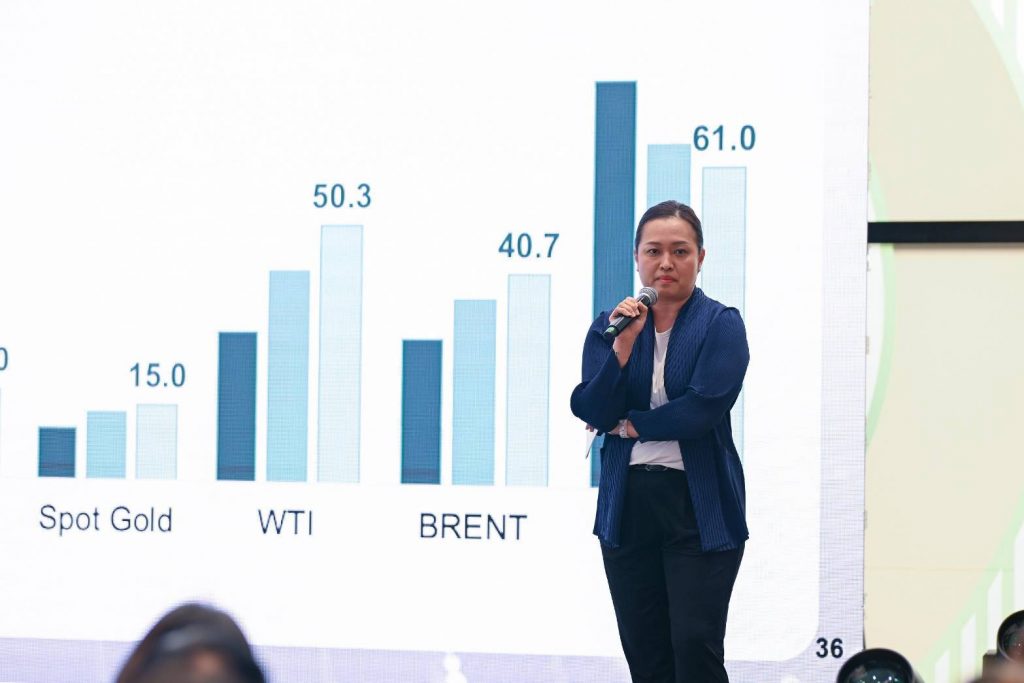
ด้านนางสาวธัญญลักษณ์ วัชระชัยสุรพล รองกรรมการผู้จัดการ บริษัท ศูนย์วิจัยกสิกรไทย จำกัด เพิ่มเติมว่า ในระหว่างที่ปัญหาภูมิรัฐศาสตร์โลกยังยืดเยื้อ รวมถึงปัญหาความไม่สงบทางการเมืองในโลกที่ยังคงอยู่ ควบคู่กับทิศทางอัตราดอกเบี้ยโลกในขาลง คาดว่าจะส่งผลให้ราคาสินทรัพย์ปลอดภัย (Safe-Haven Assets) อย่างทองคำ ยังได้รับแรงหนุน ซึ่งที่ผ่านมาทำสถิติสูงสุดใหม่อย่างต่อเนื่อง อย่างไรก็ตาม นักลงทุนควรตระหนักว่า ความผันผวนของสินทรัพย์ต่างๆ เพิ่มสูงขึ้นเช่นกัน โดยเฉพาะหลังจากช่วงโควิด ดังนั้น จึงยังต้องใช้ความระมัดระวังในการลงทุน และกระจายความเสี่ยงให้ดีด้วย
สำหรับทิศทางเศรษฐกิจในระยะที่เหลือของปี 2567 ศูนย์วิจัยกสิกรไทยคงอัตราการขยายตัวเศรษฐกิจไทยปี 2567 ที่ 2.6% จากแรงหนุนการฟื้นตัวส่งออก ท่องเที่ยว และมาตรการกระตุ้นเศรษฐกิจของรัฐ เศรษฐกิจไทยครึ่งปีหลัง 2567 คาดว่าจะมีอัตราการเติบโตที่สูงกว่าช่วงครึ่งปีแรก จากปัจจัยฐานของการส่งออกและการลงทุน และการท่องเที่ยวช่วงฤดูกาล (High Season) รวมถึงมาตรการกระตุ้นเศรษฐกิจของภาครัฐ อย่างไรก็ตาม ผลกระทบจากน้ำท่วม แนวโน้มเศรษฐกิจหลักของโลกที่ชะลอตัว รวมถึงอุปสงค์ในประเทศที่อ่อนแอลงยังเป็นความเสี่ยงต่อเศรษฐกิจไทยในระยะข้างหน้า
ด้านอุตสาหกรรมไทย มองว่าจะยังอยู่ท่ามกลางปัญหา จาก 4 เรื่องหลักในช่วงที่เหลือของปี ได้แก่ 1.น้ำท่วม โดยผลกระทบจะมากขึ้นอีกถ้าสถานการณ์เกิดรุนแรงในภาคกลางและภาคใต้ 2.บาทผันผวนสูง 3.การแข่งขันกับสินค้าต่างประเทศ 4.ต้นทุนเพิ่มโดยเฉพาะจากค่าแรงขั้นต่ำ ซึ่งทั้ง 4 เรื่อง กระทบเกษตร การผลิต และบริการ หลักๆ คือ SMEs สำหรับภาพทั้งปี 2567 ประเมินว่า รถยนต์ ที่อยู่อาศัย และก่อสร้าง เป็นกลุ่มธุรกิจที่ลำบากจากเครื่องชี้ด้านรายได้ที่หดตัว
ส่วนภาคการเงินนั้น โจทย์หลักยังคงเป็นเรื่องหนี้สินภาคครัวเรือน ที่จะยังเห็นสัดส่วนหนี้ครัวเรือนต่อจีดีพีอยู่ใกล้ระดับ 90% ในอีก 1-3 ปีข้างหน้า ทำให้โอกาสการเติบโตสินเชื่อใหม่อยู่ในกรอบที่จำกัดกว่าเดิมมาก โดยสินเชื่อของระบบแบงก์ไทยปีนี้คงโตไม่เกิน 1.5% ท่ามกลางความสามารถในการกู้ยืมของลูกหนี้ที่ลดลง โดยผลสำรวจหนี้สินครัวเรือนประจำไตรมาส 3/2567 พบว่า กว่าครึ่งหนึ่งของผู้ตอบแบบสอบถามที่มีสินเชื่อบ้าน หรือสินเชื่อรถเคยประสบปัญหาการชำระหนี้ ทำให้ต้องเข้าโครงการปรับโครงสร้างหนี้กับสถาบันการเงิน ซึ่งปัญหาจะเชื่อมโยงกับการมีรายได้ในระดับไม่สูง มีเงินออมน้อย จึงทำให้อ่อนไหวมากกว่าลูกหนี้กลุ่มอื่นๆ ขณะที่ ผลสำรวจครั้งนี้ พบผู้ที่พึ่งพาหนี้นอกระบบ 8.2% ซึ่งต้องการความช่วยเหลือในเรื่องการปรับโครงสร้างหนี้ วางแผนทางการเงิน และเพิ่มการเข้าถึงสินเชื่อใหม่ในระบบ นอกเหนือจากการแก้ที่ยั่งยืน
ด้วยการเพิ่มเสถียรภาพด้านรายได้ให้กับลูกหนี้ควบคู่ไปด้วย
KResearch
holds its 2024 GDP forecast at 2.6%, with stronger growth expected in the
latter half. Flooding, global economic slowdown, and the US election merit
close watch.
KResearch maintains its GDP projection for 2024 at 2.6 percent,
with growth in 2H24 expected to be higher than in 1H24. Attention should be
paid to the short-term impacts of flooding and the slowdown in core global
economies. The upcoming US presidential election could bring about renewed
trade tensions, and Thailand may see only limited benefit from the situation.
Mr. Burin Adulwattana, Managing
Director and Chief Economist, KASIKORN RESEARCH CENTER Co., Ltd. (KResearch), said, “The Federal Reserve cut its policy rate by 50 basis points
in its most recent FOMC meeting, exceeding market expectations. It also
signaled an additional 2-percent reduction by 2026, marking the beginning of a
downward interest rate cycle. Meanwhile, China’s economy may grow less than the
5-percent target in 2024 due to the persistent real estate crisis, the absence
of clear economic stimulus policies from the Chinese government, and trade
protectionism from the West. In Europe, Germany’s economy continues to show
signs of fragility, and the business sector across the region is facing
increased uncertainty amid geopolitical conflicts. The upcoming US presidential election merits close watch as it will
impact policies of international trade, investment, and foreign relations.”
Ms. Nattaporn Triratanasirikul,
KResearch Deputy Managing Director, noted that
global geopolitical issues have created uncertainty for the Thai economy,
presenting both opportunities and risks. Opportunity arises from Thailand’s
position as a neutral country, while risks stem from the impacts of global
trade protectionism and intensified competition. However, if a Trade War 2.0
were to erupt due to the imposition of 60-percent import tariffs on Chinese
goods and a 10-20 percent across-the-board levy on all products imported into
the US, it would likely trigger another wave of manufacturing relocation away
from China. This would primarily affect labor-intensive products that were not
previously subject to tariffs under Trade War 1.0. As a result, Thailand may
see only limited benefit from this situation.
Ms. Kevalin Wangpichayasuk, KResearch Deputy Managing Director, is of the view that global
geopolitical issues will put increasing pressure on Thailand’s industries ahead,
particularly manufacturing. For instance, the production of electric vehicles
in Thailand may face the risk of overproduction, as relying on exports will be
difficult, and the domestic market may not grow as fast as previously
anticipated.
KR_3Q2024 Page 1
of 2
-2-
Ms. Thanyalak Vatcharachaisurapol, KResearch Deputy Managing
Director, added
that amid the protracted global geopolitical tensions, along with ongoing
political instability worldwide and the downward trend in global interest
rates, it is expected that the value of safe-haven assets including gold will
continue to increase, as seen from their recent successive record highs.
However, investors should be vigilant regarding increased volatility in other
assets, particularly after the COVID-19 pandemic. They are therefore advised to
remain cautious towards investment and effectively diversify risks.
For the rest of 2024, KResearch maintains its full-year growth
forecast for the Thai economy at 2.6 percent, supported by the recovery in
exports and tourism, along with the government’s economic stimulus measures. In
the second half of 2024, it is expected that the Thai economy’s performance
will better that of the first half, driven by the rebound in exports,
investment, tourism (high season), and the government’s economic stimulus
measures. However, risks stemming from the impacts of flooding, a potential
global economic slowdown, and weakening domestic demand may threaten the Thai
economy going forward.
In addition, KResearch holds the
view that Thailand’s industries will face four major challenges during the rest
of this year. These include: 1) flooding, with
the impact worsening if severe flooding occurs in the central and southern
regions; 2) high volatility of the Baht; 3) competition from foreign-made products; and 4) rising costs, especially due to the minimum wage hike. These four
factors would mainly affect the agriculture, manufacturing, and service
sectors, particularly SMEs. For full-year 2024, it is expected that the automotive, real estate, and construction
sectors will be in the doldrums due to their shrinking income indicators.
Regarding the
financial sector, household debt remains a major concern. The household
debt-to-GDP ratio is projected to stay close to 90 percent over the next one to three years. This will significantly
limit any potential uptick in new loans. Loan growth in the Thai banking system
is unlikely to exceed 1.5 percent this
year amid borrowers’ reduced ability to access credit. According to a household
debt survey conducted in the third quarter of 2024, more than half of respondents with housing loans or auto loans
have experienced repayment difficulties, leading them to participate in debt
restructuring programs implemented by financial institutions. This problem is
linked to low income and minimal savings, making these borrowers more
vulnerable than other groups. The survey also found that 8.2 percent of respondents have taken out informal loans and are
seeking assistance through debt restructuring, financial planning, and greater
access to new, formal loans, in addition to sustainable solutions that focus on
debtors’ improved income stability.