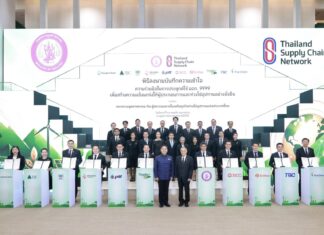
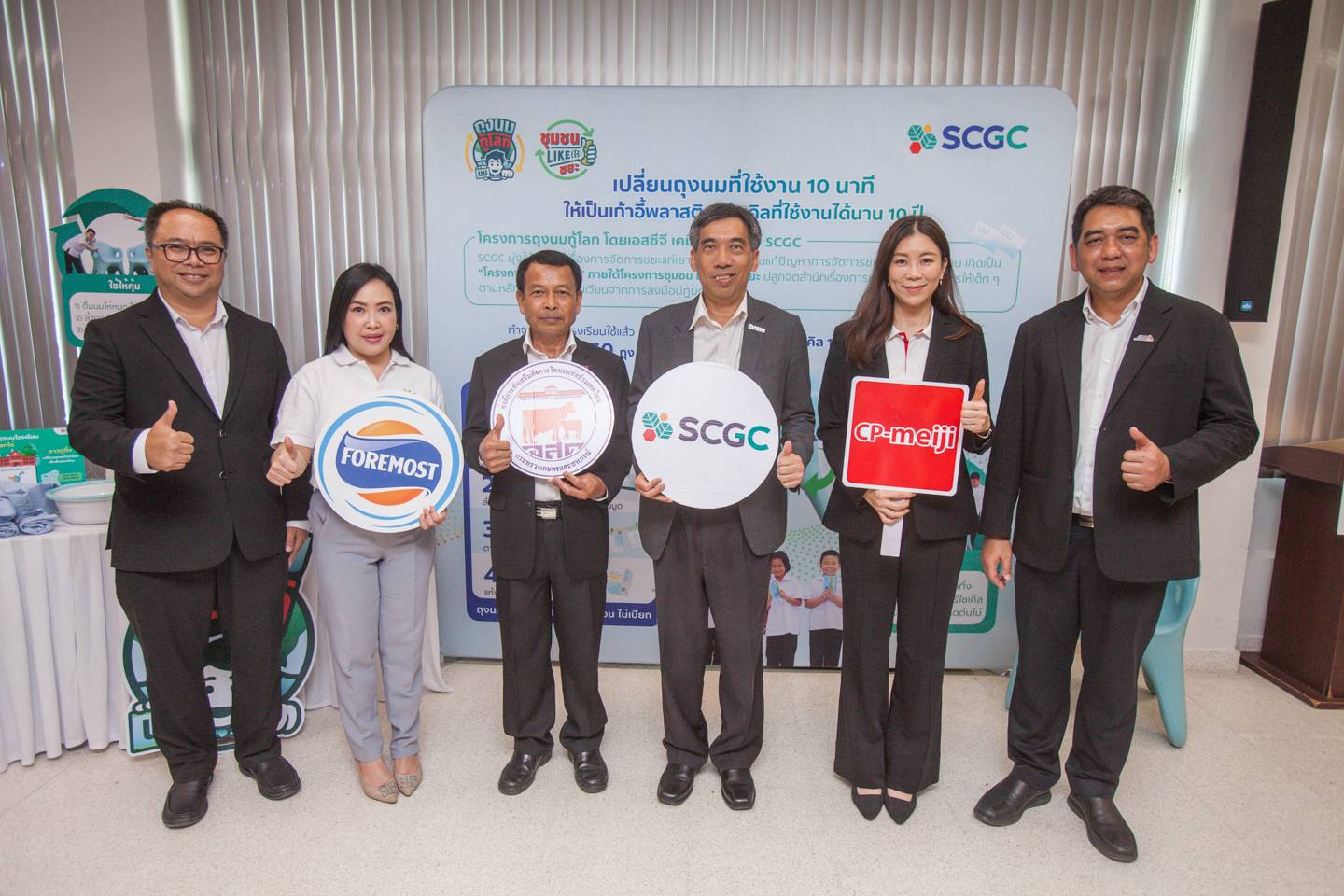
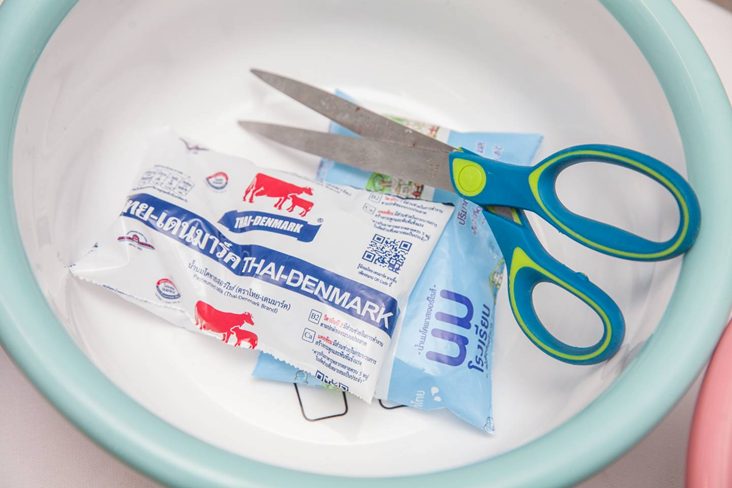
สระบุรีแซนด์บ็อกซ์ ต้นแบบเมืองคาร์บอนต่ำแห่งแรกของประเทศไทย โดยมุ่งบูรณาการนวัตกรรมและเทคโนโลยีเพื่อสิ่งแวดล้อมที่ยั่งยืน ลดการปล่อยก๊าซเรือนกระจก และเพิ่มมูลค่าจากขยะของเสียในทุกภาคส่วน ล่าสุดขับเคลื่อน “โครงการเก็บกลับบรรจุภัณฑ์นมในโรงเรียน (ถุง กล่อง ขวด) ภายใต้โครงการสระบุรีแซนด์บ็อกซ์” ร่วมกับจังหวัดสระบุรี ศึกษาธิการจังหวัด ภาคีเครือข่ายรัฐวิสาหกิจและภาคเอกชน ได้แก่ องค์การส่งเสริมกิจการโคนมแห่งประเทศไทย (อ.ส.ค.) (Thai-Denmark) ซีพี-เมจิ (CP-MEIJI) โฟร์โมสต์ (FOREMOST) และเอสซีจี เคมิคอลส์ (SCGC) นำร่องโรงเรียนต้นแบบ 20 แห่ง โดยมีวัตถุประสงค์ให้ภาคการศึกษาเป็นกลไกต้นน้ำในการปลูกฝังจิตสำนึกแก่เยาวชน เพื่อยกระดับการบริหารจัดการ รวมทั้งการคัดแยกบรรจุภัณฑ์นมใช้แล้วทุกประเภท ได้แก่ ถุง กล่อง และขวด อย่างถูกวิธี ครบวงจรตั้งแต่ต้นน้ำถึงปลายน้ำ นอกจากนี้ ยังส่งเสริมให้นักเรียนปรับเปลี่ยนพฤติกรรม และมีส่วนร่วมในการนำขยะเข้าสู่กระบวนการรีไซเคิล
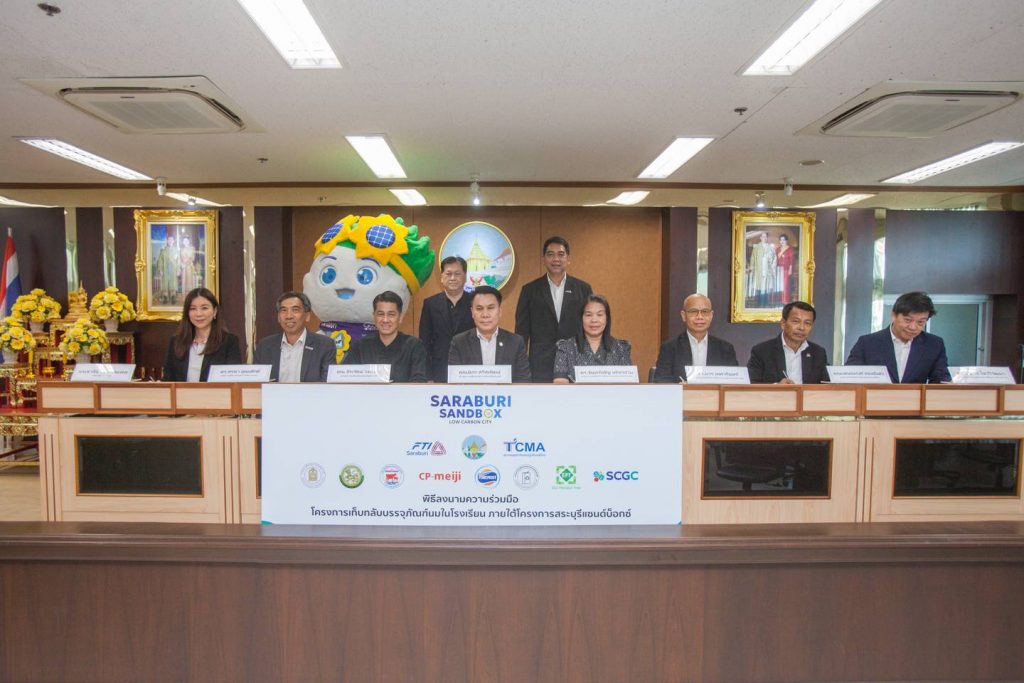
โดยโครงการดังกล่าว ยังสนับสนุนแผนยุทธศาสตร์การลดขยะตกค้าง และเพิ่มอัตราการรีไซเคิลในจังหวัดสระบุรี มุ่งสู่เมืองคาร์บอนต่ำอย่างเป็นรูปธรรม ซึ่งเป็นรากฐานสำคัญในการขับเคลื่อนหลักเศรษฐกิจหมุนเวียน และการจัดการขยะอย่างยั่งยืนของประเทศ ทั้งนี้โครงการดังกล่าวจะเริ่มดำเนินการในภาคการศึกษาที่ 1 ปีการศึกษา 2569 และสรุปผลการดำเนินงานเพื่อถอดบทเรียนการเรียนรู้ ภายในสิ้นปีปฏิทิน 2569
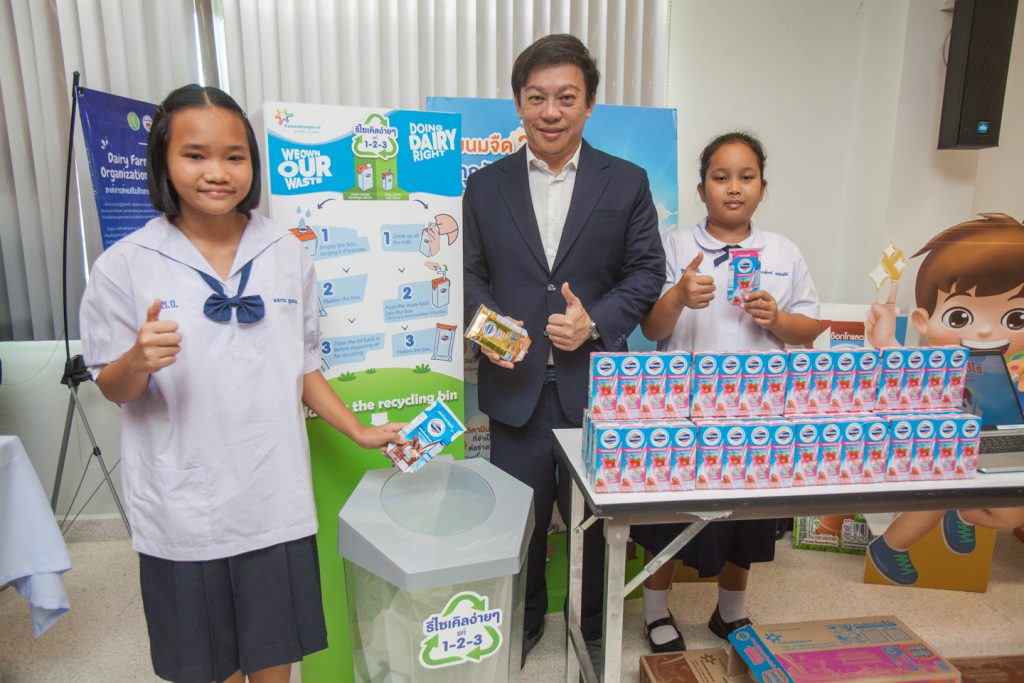
ดร. สุรชา อุดมศักดิ์ ประธานเจ้าหน้าที่สายงานปฏิบัติการและนวัตกรรม เอสซีจี เคมิคอลส์ หรือ SCGC กล่าวว่า “SCGC มีเป้าหมายด้านความยั่งยืนโดยให้ความสำคัญกับ Low Waste, Low Carbon ทั้งภายในองค์กร (In process) และภายนอก (After process) เน้นเรื่องการจัดการและคัดแยกพลาสติกใช้แล้วอย่างถูกต้องและครบวงจร พร้อมนำเข้าสู่กระบวนการรีไซเคิลด้วยนวัตกรรมขั้นสูง ซึ่งจะช่วยสร้างมูลค่าใหม่ให้กับพลาสติกใช้แล้ว และช่วยลดปัญหาขยะ โดย SCGC ได้ส่งเสริมและสร้างความตระหนักรู้เกี่ยวกับหลักเศรษฐกิจหมุนเวียนกับทุกภาคส่วนที่เกี่ยวข้องมาอย่างต่อเนื่อง
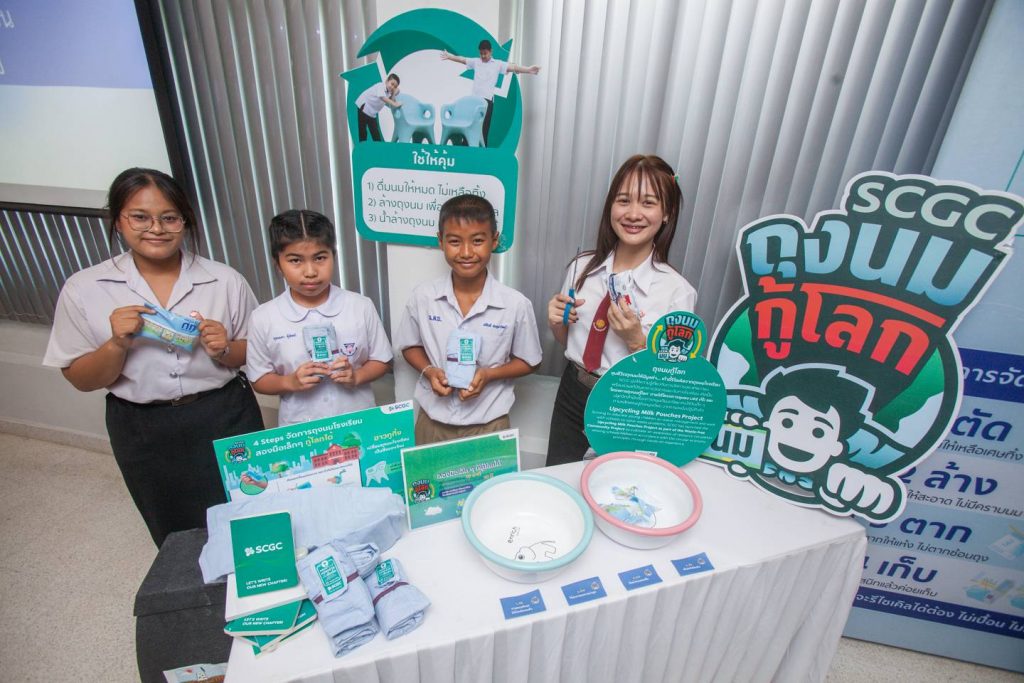
โดยที่ผ่านมา ได้ดำเนินโครงการผ่านแนวคิด “ชุมชนไร้ขยะ” และโครงการถุงนมกู้โลก โดยเริ่มต้นที่ จ.ระยอง ในปี 2562 และ 2563 ตามลำดับ และขยายผลความสำเร็จของโครงการ ‘ถุงนมกู้โลก’ สู่ระดับประเทศ โดยร่วมกับเครือข่ายสถานศึกษากว่า 1,970 แห่งทั่วประเทศ ภายใต้ความร่วมมือกับกรมส่งเสริมคุณภาพสิ่งแวดล้อม (สส.) และสำนักงานคณะกรรมการการศึกษาขั้นพื้นฐาน (สพฐ.) สามารถเก็บถุงนมกลับเข้าสู่ระบบได้มากกว่า 3.7 ล้านใบ ช่วยลดปริมาณก๊าซเรือนกระจกได้กว่า 40 ตันคาร์บอน ซึ่ง SCGC ได้เปลี่ยนถุงนมพลาสติกใช้แล้วเป็นเม็ดพลาสติกรีไซเคิลคุณภาพสูง (Post Consumer Recycled Resin – PCR) และผลิตเป็นเก้าอี้รีไซเคิลส่งกลับให้โรงเรียนที่ร่วมโครงการ
สำหรับ “โครงการเก็บกลับบรรจุภัณฑ์นมในโรงเรียน ภายใต้โมเดลสระบุรีแซนด์บ็อกซ์” SCGC พร้อมนำองค์ความรู้และประสบการณ์ที่มีมาช่วยต่อยอดและขับเคลื่อนโครงการฯ โดยจะร่วมกับภาคีเครือข่ายในการสร้างระบบจัดเก็บและขนส่งที่มีประสิทธิภาพ (Take-Back System) ตั้งแต่ต้นทางในโรงเรียนไปจนถึงปลายทางที่โรงงานรีไซเคิล เพื่อเป็นการปิดวงจรขยะหลุดรอดสู่สังคมและสิ่งแวดล้อม (Closed-loop Recycling)”
นายแดนณรงค์ ทองอันตัง ผู้ช่วยผู้อำนวยการองค์การส่งเสริมกิจการโคนมแห่งประเทศไทย หรือ อ.ส.ค. กล่าวว่า “ในปัจจุบันความผันผวนของสถานการณ์โลกส่งผลกระทบต่ออุปทานเม็ดพลาสติกและต้นทุนวัตถุดิบทั่วโลกปรับตัวสูงขึ้น ประกอบกับปริมาณขยะจากบรรจุภัณฑ์โครงการอาหารเสริม (นม) โรงเรียนในแต่ละปีมีจำนวนมหาศาล หากขาดการบริหารจัดการที่เหมาะสม ขยะเหล่านี้จะกลายเป็นภาระและส่งผลกระทบต่อสิ่งแวดล้อมอย่างหลีกเลี่ยงไม่ได้ ทาง อ.ส.ค. ในฐานะผู้ผลิตและจัดส่งนมโรงเรียน จึงได้เล็งเห็นถึงความสำคัญและริเริ่มโครงการ ไทย-เดนมาร์ค ร่วมรักษ์ อ.ส.ค. ชวนน้องสร้างมูลค่าจากขยะสู่ผลิตภัณฑ์รักษ์โลก ภายใต้โมเดลความร่วมมือแบบ Public Private People Partnership (PPPP) ความร่วมมือในครั้งนี้ถือเป็นจุดเปลี่ยนสำคัญในการบริหารจัดการสิ่งแวดล้อมในสถานศึกษาอย่างเป็นระบบ ร่วมกันผลักดันโรงเรียนนำร่องจำนวน 20 แห่งในจังหวัดสระบุรี เพื่อขับเคลื่อนสู่เป้าหมายวิสัยทัศน์ สระบุรีเมืองคาร์บอนต่ำ”
นางสาวชาลินี พูนลาภมงคล รองผู้อำนวยการฝ่ายองค์กรสัมพันธ์และความยั่งยืน บริษัท ซีพี-เมจิ จำกัด กล่าวว่า “ซีพี-เมจิ ดำเนินกลยุทธ์ด้านความยั่งยืน ภายใต้เจตนารมณ์ ‘เพิ่มคุณค่าชีวิต (Enriching Life)’ และการจัดการของเสีย (Waste Management) ถือเป็นหนึ่งในภารกิจหลักด้านความยั่งยืน โดยในปี 2568 บริษัทสามารถลดขยะฝังกลบรวมได้ 1,121.76 ตัน และลดการปล่อยก๊าซเรือนกระจกได้ 3,970.24 ตันคาร์บอน
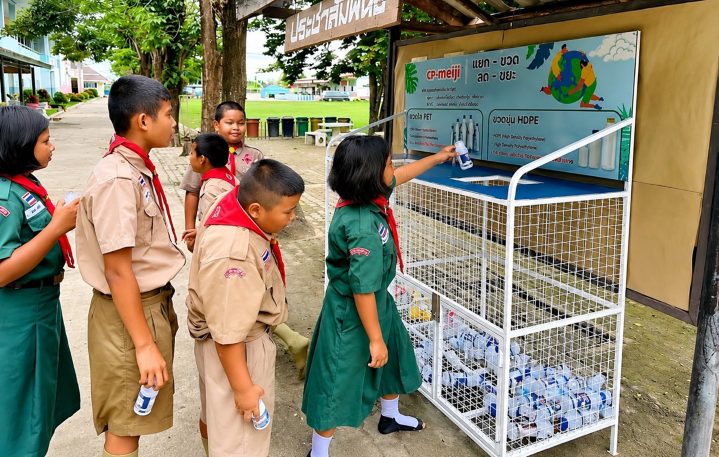
จากการดำเนินงานอย่างเป็นระบบทั้งภายในและภายนอกองค์กร ผ่านการคัดแยกขยะตั้งแต่ต้นทาง การนำวัสดุกลับเข้าสู่กระบวนการรีไซเคิล และการสร้างความร่วมมือกับโรงเรียน ชุมชน และภาคีเครือข่ายในจังหวัดสระบุรี ตัวอย่างที่เห็นได้ชัดเจนคือ โครงการ ‘ซีพี–เมจิ แยกขวด ลดขยะ’ ซึ่งดำเนินการต่อเนื่องเป็นปีที่ 3 ร่วมกับโรงเรียนรอบโรงงานจำนวน 7 โรงเรียน มีนักเรียนเข้าร่วมโครงการมากกว่า 3,000 คน ผ่านกิจกรรมธนาคารขยะ ที่นักเรียนเป็นผู้ดำเนินการด้วยตัวเอง โดยในปี 2568 สามารถลดปริมาณขยะได้ 10.57 ตัน และลดการปล่อยก๊าซเรือนกระจกได้ 14.68 ตันคาร์บอน นอกจากนั้น บริษัทฯ ยังได้ลงนามความร่วมมือภายใต้โครงการ ‘สระบุรีแซนด์บ็อกซ์ Zero Waste School’ ขยายผลกิจกรรมสู่ 26 องค์กรในจังหวัดสระบุรี เพื่อร่วมขับเคลื่อนต้นแบบการจัดการของเสียและสังคมคาร์บอนต่ำอย่างเป็นรูปธรรมและยั่งยืน”
ดร. โอฬาร โชว์วิวัฒนา ผู้อำนวยการฝ่ายองค์กรสัมพันธ์ บริษัท ฟรีสแลนด์คัมพิน่า (ประเทศไทย) จำกัด (มหาชน) ผู้ผลิตและจัดจำหน่ายผลิตภัณฑ์นมโฟร์โมสต์ กล่าวว่า “ภายใต้แนวคิด ‘Nourishing Thailand’ ในปีนี้ โฟร์โมสต์ยังคงมุ่งมั่นในการส่งมอบโภชนาการที่ดีให้กับคนไทย ควบคู่ไปกับการสร้างความยั่งยืนให้กับสังคมและสิ่งแวดล้อมในระยะยาว ในฐานะแบรนด์ที่เติบโตเคียงข้างคนไทยมา 70 ปี เราจึงให้ความสำคัญไม่เพียงแค่การส่งมอบผลิตภัณฑ์นมคุณภาพ แต่รวมถึงการมีส่วนร่วมในการสร้างอนาคตที่ดีให้กับสังคมไทยในทุกมิติ โฟร์โมสต์ยินดีที่ได้ร่วมเป็นส่วนหนึ่งของโครงการ ‘สระบุรีแซนด์บ็อกซ์’
ซึ่งถือเป็นอีกหนึ่งก้าวสำคัญในการขับเคลื่อนสังคมคาร์บอนต่ำ ผ่านการพัฒนาโมเดลการเก็บกลับกล่องนมใช้แล้วเพื่อนำกลับเข้าสู่กระบวนการรีไซเคิลและสร้างคุณค่าใหม่อย่างเป็นรูปธรรม ขณะเดียวกัน โฟร์โมสต์ยังได้ดำเนินโครงการเก็บกลับกล่องนมใช้แล้วอย่างต่อเนื่องในโรงเรียนกว่า 40 แห่งทั่วประเทศตลอดระยะเวลา 5 เดือนที่ผ่านมา คิดเป็นปริมาณรวมมากกว่า 16.5 ตัน สะท้อนถึงความมุ่งมั่นของบริษัทในการสนับสนุนการจัดการบรรจุภัณฑ์ใช้แล้วและส่งเสริมการมีส่วนร่วมด้านสิ่งแวดล้อมในระดับชุมชน ความร่วมมือดังกล่าวยังสอดคล้องกับเป้าหมายด้านความยั่งยืนของบริษัทฟรีสแลนด์คัมพิน่าทั่วโลก ที่มุ่งสู่การมีบรรจุภัณฑ์ที่สามารถหมุนเวียนกลับมาใช้ประโยชน์ได้อย่างเต็มรูปแบบ (Fully Circular Packaging) ภายในปี 2050”
ทั้งนี้โครงการดังกล่าวจะมุ่งพัฒนาโมเดลการเก็บกลับบรรจุภัณฑ์นมทุกประเภทให้เป็นต้นแบบ และขยายผลสู่โรงเรียนทั่วจังหวัดสระบุรี ซึ่งในอนาคตจะสามารถลดขยะบรรจุภัณฑ์นมใช้แล้วได้ถึง 120 ตัน ลดการปล่อยก๊าซเรือนกระจก และยกระดับการบริหารจัดการทรัพยากรอย่างคุ้มค่านี้สู่ระดับประเทศอย่างยั่งยืน
Saraburi Sandbox Joins Forces with SCGC, Thai-Denmark, CP-MEIJI and FOREMOST
to Launch “Collecting Milk Packaging from School Project”,
Piloting in 20 Schools to Drive Circular Economy toward Low-Carbon City
Saraburi – 27 May 2026 : Saraburi Sandbox, Thailand’s first low-carbon city initiative, continues advancing the integration of innovation and environmental technologies to support sustainability, reduce greenhouse gas emissions, and create value from waste across all sectors. Most recently, the initiative launched the “Collecting Milk Packaging (pouches, cartons, bottles) from School under Saraburi Sandbox Project” in collaboration with Saraburi Province, the Provincial Education Office and private sector partners, including SCGC, the Dairy Farming Promotion Organization of Thailand (DPO) under the Thai-Denmark brand, CP-MEIJI and FOREMOST. The project will initially be piloted in 20 model schools, aiming to leverage the educational sector as an upstream mechanism for cultivating environmental awareness among youth. The collaboration seeks to enhance the management and proper segregation of post-consumer milk packaging, including pouches, cartons, and bottles, through a comprehensive end-to-end system from source to recycling destination. The initiative also encourages students to adopt environmentally responsible behaviors and actively participate in recycling processes, while supporting Saraburi Province’s strategic plan to reduce accumulated waste and increase recycling rates, driving tangible progress toward becoming a low-carbon city. The initiative represents an important foundation for advancing Thailand’s circular economy and sustainable waste management goals. The project is scheduled to commence in the first semester of the 2026 academic year, with operational results and lessons learned to be summarized by the end of 2026.
Dr. Suracha Udomsak, Chief Operations and Innovation Officer of SCGC, said “SCGC is committed to its sustainability strategy under the concept of ‘Low Waste, Low Carbon,’ covering both in-process and after-process operations. We focus on the proper and comprehensive management and segregation of post-consumer plastics, while utilizing advanced recycling innovations to create new value from used plastics and help reduce waste-related problems. SCGC has continuously promoted awareness and understanding of the circular economy among all sectors through initiatives such as the ‘Zero Waste Community’ project and the ‘Upcycling Milk Pouches’ project, which began in Rayong Province in 2019 and 2020 respectively. The success of the ‘Upcycling Milk Pouches’ project was later expanded nationwide through collaboration with more than 1,970 educational institutions across Thailand in partnership with the Department of Environmental Quality Promotion (DEQP) and the Office of the Basic Education Commission (OBEC) To the past year, the project has successfully collected more than 3.7 million used milk pouches, helping reduce greenhouse gas emissions by over 40 tons of carbon. SCGC transformed these used plastic milk pouches into high-quality Post Consumer Recycled Resin (PCR) and manufactured recycled chairs that were delivered back to participating schools. For this project, SCGC is ready to leverage its expertise and experience to further support and drive the initiative. Together with network partners, we will develop an efficient Take-Back System from schools to recycling facilities to create a Closed-loop Recycling system and prevent waste leakage into society and the environment.”
“Building on the success of SCGC’s ‘Upcycling Milk Pouches’ project, initiated in 2020 with more than 1,970 educational institutions nationwide, we transformed used plastic milk pouches into high-quality Post Consumer Recycled Resin (PCR) to produce chairs returned to participating schools. Through the project, more than 3.7 million used milk pouches have been collected. From this achievement, we have further expanded our knowledge and experience to drive Collecting Milk Packaging from School Project covering milk pouches, cartons, and bottles under the Saraburi Sandbox model. This project would not be possible without strong collaboration among all stakeholders from the public sector, educational institutions, and private sector partners in jointly establishing an efficient Take-Back System from schools to recycling facilities. This closed-loop recycling system for milk packaging not only transforms waste into valuable resources, but also represents a social innovation that helps reduce landfill waste and greenhouse gas emissions in a tangible way. Ultimately, it contributes to positioning Saraburi as Thailand’s first low-carbon city, in line with SCGC’s Low Waste, Low Carbon sustainability strategy.”
Mr. Dannarong Thonguntang, Assistant Director of the Dairy Farming Promotion Organization of Thailand (DPO), stated “Today’s global uncertainties have impacted plastic resin supply and increased raw material costs worldwide. At the same time, waste generated from school milk program packaging continues to rise significantly each year. Without proper management, these waste will inevitably become an environmental burden. As the producer and distributor of school milk products, DPO recognizes the importance of this issue and initiated the ‘Thai-Denmark for Sustainability. DPO Inviting Youth in Turning Waste into Eco-Friendly Products’ project under a Public Private People Partnership (PPPP) model. This collaboration marks an important milestone in establishing a systematic environmental management model within educational institutions. Together, we are driving 20 pilot schools in Saraburi Province toward the vision of becoming a low-carbon city.”
Ms. Chalinee Poonlapmongkol, Deputy Director – Corporate Relations and Sustainability of CP-MEIJI Co., Ltd., said “CP-MEIJI operates its sustainability strategy under the commitment of ‘Enriching Life,’ with waste management serving as one of the company’s key sustainability missions. In 2025, the company successfully reduced landfill waste by 1,121.76 tons and reduced greenhouse gas emissions by 3,970.24 tons of carbon through systematic operations both internally and externally. These efforts include waste segregation at source, recycling initiatives, and collaboration with schools, communities, and network partners in Saraburi Province. One clear example is the ‘CP-MEIJI Bottle Separation for Waste Reduction’ project, now entering its third consecutive year, involving seven schools surrounding the factory and more than 3,000 participating students through student-led waste bank activities. In 2025 alone, the project reduced waste by 10.57 tons and reduced greenhouse gas emissions by 14.68 tons of carbon. In addition, the company has signed cooperation agreements under the ‘Saraburi Sandbox Zero Waste School’ initiative, expanding activities to 26 organizations across Saraburi Province to jointly drive concrete and sustainable low-carbon society and waste management models.”
Dr. Olarn Chowiwattana, Corporate Affairs Director of FrieslandCampina (Thailand) PCL., manufacturer and distributor of FOREMOST dairy products, said “Under the concept of ‘Nourishing Thailand,’ Foremost remains committed to delivering good nutrition to Thai consumers while contributing to long-term social and environmental sustainability. As a brand that has grown alongside Thai society for over 70 years, we focus not only on delivering quality dairy products, but also on helping build a better future for Thai society in every dimension. FOREMOST is pleased to be part of the Saraburi Sandbox initiative, which marks another important step toward advancing a low-carbon society through the development of a take-back system for used milk cartons to be recycled and transformed into new value-added resources. At the same time, FOREMOST has continuously implemented used milk carton collection projects in more than 40 schools nationwide over the past five months, collecting more than 16.5 tons in total. This reflects the company’s strong commitment to supporting post-consumer packaging management and promoting environmental participation at the community level. This collaboration also aligns with FrieslandCampina’s global sustainability goal of achieving Fully Circular Packaging by 2050.”
Creating a sustainable circular economy requires collaboration from all stakeholders throughout the value chain — from schools and communities to government agencies, private sector organizations, and recycling operators. This project not only helps reduce waste volumes, but also serves as an important starting point for instilling environmental awareness among youth and developing a scalable model for expansion at provincial and national levels in the future. The project is scheduled to commence in the first semester of the 2026 academic year, with operational results and lessons learned to be summarized by the end of 2026. The initiative represents a significant step toward driving a low-carbon society through the education sector by developing a model for collecting and recycling all types of milk packaging, including pouches, cartons, and bottles. The long-term goal is to expand the model throughout Saraburi Province, where full-scale implementation could reduce up to 120 tons of used milk packaging waste while significantly reducing greenhouse gas emissions and promoting efficient resource management nationwide in a sustainable manner.
The project aims to develop a scalable model for collecting and recycling all types of milk packaging and expand its implementation to schools throughout Saraburi Province. In the future, the initiative is expected to reduce up to 120 tons of used milk packaging waste, lower greenhouse gas emissions, and promote efficient resource management practices nationwide in a sustainable manner.