

กรุงศรี (ธนาคารกรุงศรีอยุธยา จำกัด (มหาชน) และบริษัทในเครือ) รายงานผลประกอบการไตรมาสแรกปี 2569 มีกำไรสุทธิจำนวน 8,618 ล้านบาท เติบโต 14.4% จากไตรมาสแรกของปี 2568 โดยได้รับแรงสนับสนุนหลักจากรายได้ดอกเบี้ยสุทธิ และรายได้ที่มิใช่ดอกเบี้ยที่เติบโตต่อเนื่อง ส่วนหนึ่งเป็นผลจากการรวมงบการเงินของ TIDLOR
ในไตรมาสแรกของปี 2569 เงินให้สินเชื่อรวมลดลง 1.2% จากไตรมาสก่อนหน้า โดยเป็นผลมาจากการชำระคืนเงินให้สินเชื่อที่เพิ่มขึ้นตามฤดูกาลขณะที่อุปสงค์สำหรับสินเชื่อในประเทศอ่อนแอลง อย่างไรก็ตาม ธุรกิจในอาเซียนยังคงเติบโตได้อย่างแข็งแกร่ง โดยสินเชื่อขยายตัวได้ถึง 2.5% เมื่อเทียบกับไตรมาสก่อนหน้า ซึ่งช่วยชดเชยอุปสงค์ที่ยังอ่อนแอในประเทศได้
สรุปผลประกอบการและฐานะการเงินที่สำคัญสำหรับไตรมาสแรกของปี 2569:
• กำไรสุทธิ จำนวน 8,618 ล้านบาท ในไตรมาสแรกของปี 2569 เพิ่มขึ้น 14.4% หรือจำนวน 1,085 ล้านบาท จากไตรมาสแรกของปี 2568 โดยได้รับแรงสนับสนุนหลักจากการเติบโตของรายได้ดอกเบี้ยสุทธิ และรายได้ที่มิใช่ดอกเบี้ย ทั้งนี้ การขยายตัวของรายได้ดอกเบี้ยสุทธิสะท้อนอัตราผลตอบแทนเงินให้สินเชื่อที่สูงขึ้นจากการปรับโครงสร้างพอร์ตสินเชื่อ ภายหลังการรวมงบการเงินของ TIDLOR รวมถึงการบริหารจัดการสภาพคล่องและต้นทุนทางการเงินที่มีประสิทธิภาพ
• เงินให้สินเชื่อรวม ลดลง 1.2% หรือจำนวน 22,805 ล้านบาท จากสิ้นเดือนธันวาคม 2568 โดยมีสาเหตุหลักจากการชำระคืนสินเชื่อที่เพิ่มขึ้นตามฤดูกาลและความต้องการสินเชื่อในประเทศที่อ่อนแอลง ส่งผลให้พอร์ตสินเชื่อภายในประเทศปรับลดลง 1.4% อย่างไรก็ตาม ธุรกิจในอาเซียนยังคงเติบโตได้อย่างแข็งแกร่ง โดยสินเชื่อเติบโตได้ถึง 2.5% จากไตรมาสก่อนหน้า สะท้อนประโยชน์จากการกระจายฐานธุรกิจด้านภูมิศาสตร์ และชดเชยอุปสงค์ที่ยังอ่อนแอภายในประเทศ
• เงินรับฝาก ลดลง 1.8% หรือจำนวน 31,773 ล้านบาท จากสิ้นเดือนธันวาคม 2568 โดยมีสาเหตุหลักจากการลดลงของสัดส่วนเงินรับฝากประจำที่มีต้นทุนสูง สุทธิบางส่วนกับการเพิ่มขึ้นของเงินรับฝากประเภทออมทรัพย์และจ่ายคืนเมื่อทวงถาม (CASA) การปรับตัวดีขึ้นของโครงสร้างเงินฝากดังกล่าวสะท้อนกลยุทธ์การบริหารสภาพคล่องและต้นทุนทางการเงินเชิงรุกและรอบคอบระมัดระวัง ที่มีเป้าหมายเพื่อลดต้นทุนทางการเงินและเสริมสร้างความสามารถในการทำกำไร ท่ามกลางอุปสงค์ต่อเงินให้สินเชื่อที่ชะลอลงและสภาวะอัตราดอกเบี้ยขาลง
• ส่วนต่างอัตราดอกเบี้ยสุทธิ (NIM) อยู่ที่ 4.61% ปรับตัวดีขึ้นจาก 4.10% ในไตรมาสแรกของปี 2568 โดยได้รับแรงหนุนจากอัตราผลตอบแทนเงินให้สินเชื่อที่สูงขึ้นจากการปรับโครงสร้างพอร์ตสินเชื่อ ซึ่งส่วนใหญ่เป็นผลจากการรวมพอร์ตสินเชื่อที่ให้ผลตอบแทนสูงของ TIDLOR
• รายได้ที่มิใช่ดอกเบี้ย เพิ่มขึ้น 18.4% หรือ 2,179 ล้านบาท จากไตรมาสแรกของปี 2568 โดยมีปัจจัยหลักมาจากการเพิ่มขึ้นของรายได้ค่าธรรมเนียมและบริการ ซึ่งสะท้อนผลการดำเนินงานทั้งในส่วนของธนาคารและ TIDLOR รวมถึงกำไรสุทธิจากเครื่องมือทางการเงินที่วัดมูลค่าด้วยมูลค่ายุติธรรมผ่านกำไรหรือขาดทุน หนี้สูญรับคืนจากโครงการ “ปิดหนี้ไว ไปต่อได้” และกำไรจากเงินลงทุน
• อัตราส่วนค่าใช้จ่ายต่อรายได้ ปรับตัวดีขึ้นที่ 45.2% เทียบกับ 45.7% ในไตรมาสแรกของปี 2568 สะท้อนการควบคุมต้นทุนที่มีประสิทธิภาพ ซึ่งเป็นหนึ่งในกลยุทธ์การดำเนินงานของธนาคาร
• อัตราส่วนสินเชื่อที่ไม่ก่อให้เกิดรายได้ (NPL Ratio) อยู่ที่ 3.34% ขณะที่อัตราส่วนผลขาดทุนด้านเครดิตที่คาดว่าจะเกิดขึ้นต่อสินเชื่อรวมปรับตัวอยู่ที่ 240 เบสิสพอยท์ ในไตรมาสแรกของปี 2569 เมื่อเทียบกับ 211 เบสิสพอยท์ ในไตรมาสแรกของปี 2568 ทั้งนี้ อัตราส่วนเงินสำรองต่อสินเชื่อด้อยคุณภาพปรับเพิ่มสูงขึ้นมาอยู่ในระดับ 132.3%
• อัตราส่วนเงินกองทุนต่อสินทรัพย์เสี่ยง (ของธนาคาร) อยู่ที่ 20.65% เทียบกับ 20.69% ณ สิ้นเดือนธันวาคม 2568
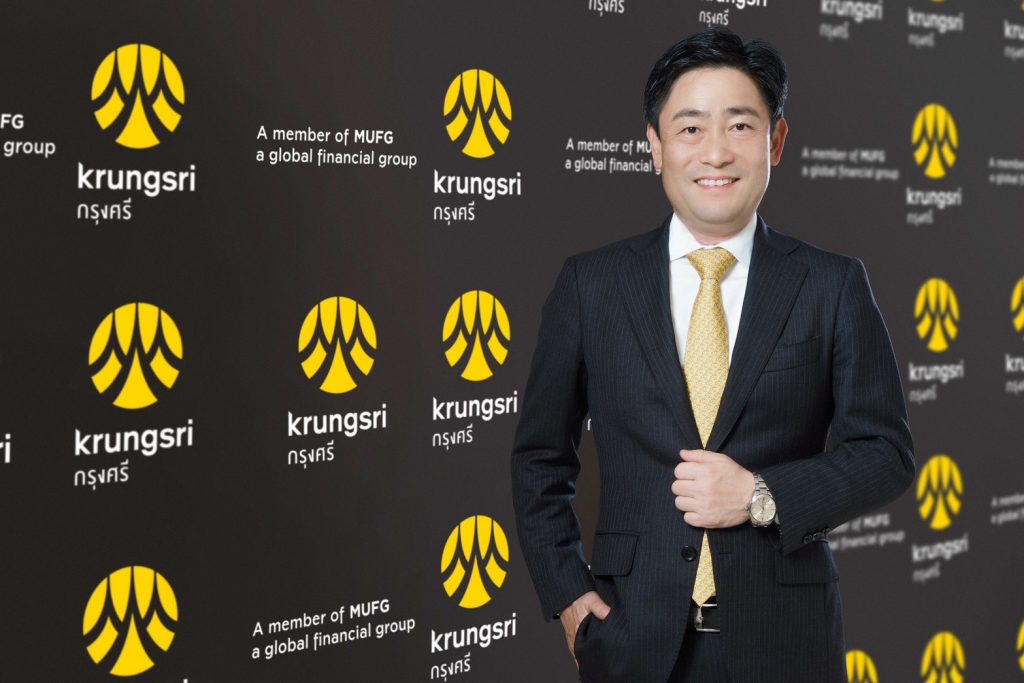
นายเคนอิจิ ยามาโตะ กรรมการผู้จัดการใหญ่และประธานเจ้าหน้าที่บริหาร ธนาคารกรุงศรีอยุธยา จำกัด (มหาชน) กล่าวว่า “แม้ว่าจะต้องเผชิญกับแรงกดดันจากภาวะเศรษฐกิจโลก และความเปราะบางเชิงโครงสร้างในประเทศ กอปรกับแรงกดดันต่อส่วนต่างอัตราดอกเบี้ยภายหลังการปรับลดอัตราดอกเบี้ยนโยบายหลายครั้ง กรุงศรี กรุ๊ป ยังคงสามารถส่งมอบผลประกอบการที่น่าพอใจในไตรมาสแรกของปี 2569 สะท้อนวินัยในการขับเคลื่อนกลยุทธ์หลักของธนาคารอย่างต่อเนื่อง ซึ่งประกอบด้วย กลยุทธ์การเติบโตของเงินให้สินเชื่ออย่างมีคุณภาพ การบริหารจัดการสินทรัพย์และหนี้สินอย่างมีประสิทธิภาพ การควบคุมค่าใช้จ่ายอย่างเข้มงวด ตลอดจนการบริหารความเสี่ยงอย่างรอบคอบระมัดระวัง”
“ในระยะข้างหน้า เศรษฐกิจไทยยังคงเผชิญแรงกดดันหลายด้าน ทั้งจากความตึงเครียดทางภูมิรัฐศาสตร์ที่เพิ่มสูงขึ้น นโยบายภาษีนำเข้าของสหรัฐฯ พื้นที่ทางการคลังที่ค่อนข้างจำกัด ตลอดจนความท้าทายเชิงโครงสร้าง โดยเฉพาะหนี้ครัวเรือนที่อยู่ในระดับสูง และปัญหาความสามารถในการแข่งขันในบางอุตสาหกรรม ปัจจัยเหล่านี้อาจก่อให้เกิดความเสี่ยงขาลงต่อการเติบโตของเศรษฐกิจในช่วงที่เหลือของปี ทั้งนี้ ในปี 2569 ธนาคารคาดว่าเศรษฐกิจจะขยายตัวอยู่ในช่วง 1.5-1.7%” นายเคนอิจิกล่าว
“ภายใต้ฉากทัศน์ของความเสี่ยงทางเศรษฐกิจมหภาคที่ทวีความรุนแรงขึ้นจากผลกระทบของความขัดแย้งที่เกิดขึ้นล่าสุดในตะวันออกกลาง พร้อมด้วยนโยบายบริหารความเสี่ยงที่รอบคอบระมัดระวัง กรุงศรีได้ดำเนินการตั้งสำรองผลขาดทุนด้านเครดิตที่คาดว่าจะเกิดขึ้น (ECL) เชิงรุกในไตรมาส 1/2569 ซึ่งครอบคลุมการกันสำรองเพิ่มเติมตามดุลยพินิจของฝ่ายจัดการ (Management Overlays)”
ณ วันที่ 31 มีนาคม 2569 กรุงศรี ซึ่งเป็นกลุ่มธุรกิจการเงินที่มีขนาดใหญ่เป็นอันดับห้าในระบบเศรษฐกิจไทยจากมูลค่าสินทรัพย์ สินเชื่อและเงินรับฝาก และเป็นหนึ่งในสถาบันการเงินที่มีความสำคัญเชิงระบบ (D-SIB) มีสินเชื่อรวม 1.91 ล้านล้านบาท เงินรับฝาก 1.70 ล้านล้านบาท และสินทรัพย์รวม 2.61 ล้านล้านบาท ขณะที่เงินกองทุนของธนาคารอยู่ในระดับแข็งแกร่งที่ 336.02 พันล้านบาท หรือเทียบเท่า 20.65% ของสินทรัพย์เสี่ยง โดยเป็นเงินกองทุนชั้นที่ 1 ที่เป็นส่วนของเจ้าของคิดเป็น 16.37%
Krungsri reports first-quarter 2026 earnings of 8.62 billion baht, demonstrating disciplined strategic execution
Bangkok (21 April 2026) – Krungsri (Bank of Ayudhya PCL and its business units) posts 8,618 million baht in net profit for the first quarter of 2026, growing 14.4% year-on-year, thanks to stronger net interest income and continued growth in non‑interest income, partly due to the consolidation of TIDLOR.
Amid seasonal loan repayments and softer underlying demand in the domestic portfolio, total loans contracted by 1.2% quarter-on-quarter for the first quarter of 2026. In contrast, ASEAN operations continued to perform strongly, with loans expanding 2.5% quarter-on-quarter, compensating for domestic weakness.
Highlights of Krungsri’s consolidated first-quarter 2026 performance:
• Net profit: Recorded at 8,618 million baht for 1Q/26, representing an increase of 14.4% or 1,085 million baht from 1Q/25, driven primarily by stronger net interest income and
non-interest income. The growth of net interest income reflected improved loan yields from
a higher contribution from interest‑earning assets following the consolidation of TIDLOR, together with effective liquidity and funding cost management.
• Loans: Decreased from the end of December 2025 by 1.2%, or 22,805 million baht, primarily reflecting seasonal loan repayments and weaker underlying demand in the domestic portfolio, which contracted by 1.4%. Meanwhile, ASEAN loans continued to exhibit robust momentum, expanding by 2.5% quarter‑on‑quarter, underscoring the benefits of geographic diversification and providing a supportive offset to domestic loans.
• Deposits: Decreased by 1.8%, or 31,773 million baht from the end of December 2025, mainly driven by a reduction in higher‑cost time deposits, which was partially offset by an increase in current and savings accounts (CASA). This improved funding mix reflects the Bank’s proactive liquidity optimization strategy aimed at lowering funding costs and support margin sustainability, amid softer loan demand and a declining interest rate environment.
• Net interest margin (NIM): Recorded at 4.61%, improved from 4.10% in 1Q/25, driven by higher loan yields from an enhanced mix of interest‑earning assets, largely reflecting the consolidation of TIDLOR’s higher‑yield loan portfolio.
• Non-interest income: Increased by 18.4%, or 2,179 million baht from 1Q/25, driven by higher fees and service income from both organic operations and TIDLOR’s contribution, as well as gains on financial instruments measured at fair value through profit or loss (FVTPL), bad‑debt recoveries from the “Clear Debt, Move Forward” program, and gains on investment.
• Cost to income ratio: Improved to 45.2%, compared with 45.7% in 1Q/25, resonating the Bank’s effective cost control as part of strategic execution.
• Non-performing loan (NPL) ratio: Remained manageable at 3.34%. Credit cost in 1Q/26 was at 240 basis points (bps) compared with 211 bps in 1Q/25, while the coverage ratio improved to 132.3%.
• Capital adequacy ratio (Bank only): Recorded at 20.65%, compared with 20.69% at the end of December 2025.
Krungsri President and Chief Executive Officer Mr. Kenichi Yamato, said “Notwithstanding global economic headwinds and domestic structural vulnerabilities—intensified by margin pressure following multiple interest rate cuts—Krungsri Group successfully sustained its performance momentum in the first quarter of 2026, reflecting the continued execution of our strategic priorities. These priorities include a selective quality-growth strategy, enhanced efficiency in asset and liability management, disciplined cost control, and a prudent risk management approach.”
“Looking ahead, Thailand continues to face multiple headwinds, including elevated geopolitical risks, U.S. trade policy uncertainty, constrained fiscal space, and structural challenges such as high household leverage and sector‑specific constraints. Collectively, these factors are expected to weigh on economic momentum for the remainder of the year, with GDP growth projected at 1.5–1.7%,” Mr. Yamato added.
“Against this backdrop of heightened macroeconomic uncertainty—further exacerbated by potential adverse spillovers from recent Middle East conflicts—Krungsri has maintained a prudent risk management stance, reflected in proactive expected credit loss (ECL) provisioning booked in 1Q/26, including additional management overlays.”
As of 31 March 2026, Krungsri, Thailand’s fifth largest bank in terms of assets, loans and deposits, and one of Thailand’s Domestic Systemically Important Banks (D-SIBs), reported 1.91 trillion baht in loans, 1.70 trillion baht in deposits, and 2.61 trillion baht in total assets. Krungsri’s capital (Bank only) was strong at 336.02 billion baht, equivalent to 20.65% of risk-weighted assets, with 16.37% in common equity tier 1 capital.