สถิติที่น่าตื่นตัวจาก สถาบันมะเร็งแห่งชาติ (NCI) ระบุว่า ใน ปี 2568 พบคนไทยป่วยเป็นมะเร็งรายใหม่ถึงราว 140,000 รายต่อปี หรือเฉลี่ยวันละเกือบ 400 ราย และมีผู้เสียชีวิตถึง ประมาณ 83,000 ราย โดยเฉพาะ “โรคมะเร็งปอด” ซึ่งเป็นหนึ่งในโรคมะเร็งที่พบบ่อยที่สุดในคนไทย และจัดเป็นสาเหตุการเสียชีวิตอันดับ 1 ในบรรดาโรคมะเร็งทั้งหมด โดยมีผู้เสียชีวิต 15,022 รายต่อปี หรือวันละ 41 ราย สถิตินี้สะท้อนชัดเจนว่า มะเร็งปอดคือภัยคุกคามสุขภาพอันดับหนึ่งที่ต้องเร่งคัดกรองตั้งแต่ระยะเริ่มต้น
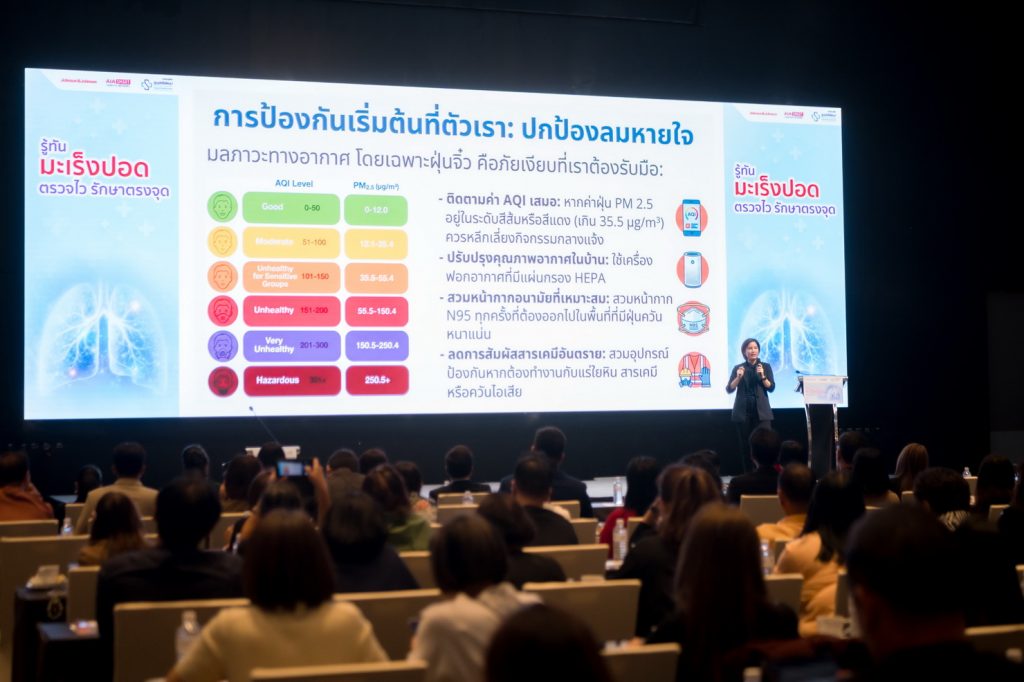
สถานการณ์ดังกล่าวยิ่งทวีความรุนแรงในพื้นที่จังหวัดเชียงใหม่และภาคเหนือ ซึ่งต้องเผชิญวิกฤตฝุ่น PM 2.5 อย่างหนักต่อเนื่องหลายปี โดยเฉพาะช่วงเดือนกุมภาพันธ์ถึงเมษายน ที่ค่าฝุ่นมักพุ่งสูงเกินค่ามาตรฐานขององค์การอนามัยโลก (WHO) หลายเท่าตัว มลพิษเหล่านี้เปรียบเสมือนสารก่อมะเร็งขนาดจิ๋วที่กระตุ้นการอักเสบเรื้อรังและทำให้เซลล์ปอดกลายพันธุ์ ส่งผลให้แม้แต่กลุ่มผู้ไม่สูบบุหรี่ก็มีความเสี่ยงสูง และที่น่ากังวลคือ มากกว่า 85% ของผู้ป่วยมักตรวจพบเมื่อโรคเข้าสู่ระยะลุกลามแล้ว เนื่องจากในระยะแรกไม่มีอาการแสดงใด ๆ
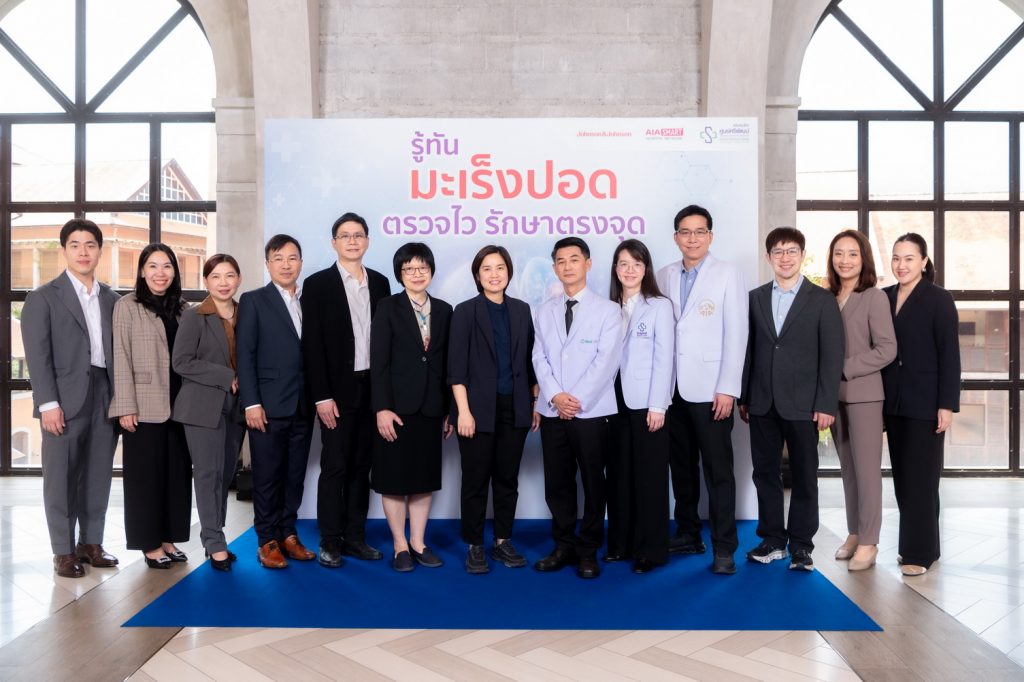
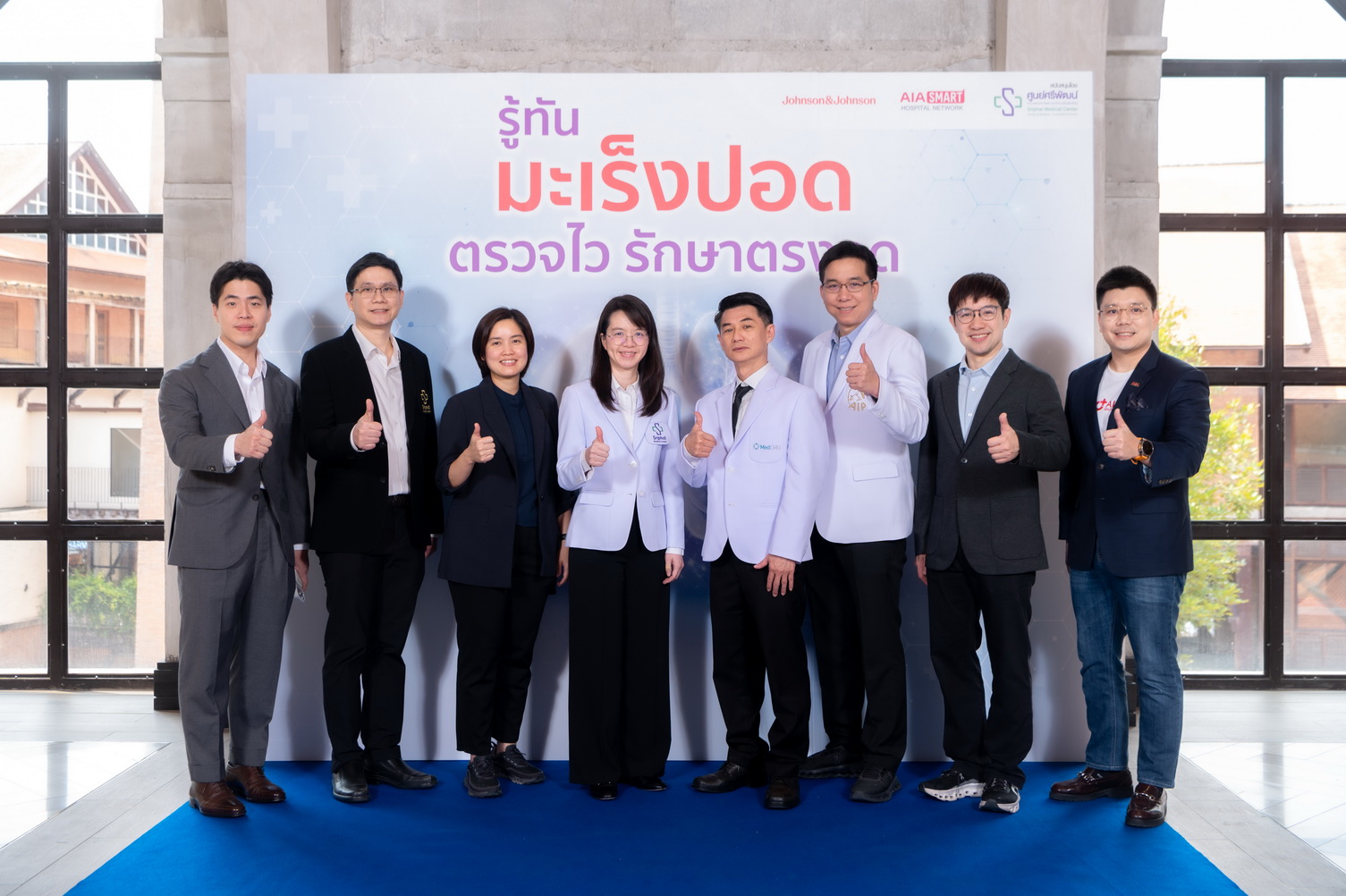
เพื่อรับมือกับวิกฤตดังกล่าว กลุ่มบริษัท จอห์นสัน แอนด์ จอห์นสัน ประเทศไทย (จำกัด) ร่วมกับ เอไอเอ ประเทศไทย (AIA) โดยได้รับการสนับสนุนจาก ศูนย์ศรีพัฒน์ คณะแพทยศาสตร์ มหาวิทยาลัยเชียงใหม่ ซึ่งนับเป็นศูนย์กลางทางการรักษาที่สำคัญในเขตภาคเหนือ เดินหน้าจัดงานเสวนา “รู้ทันมะเร็งปอด ตรวจไว รักษาตรงจุด” เพื่อส่งเสริมความรู้แก่ประชาชนเกี่ยวกับโรคมะเร็งปอด ตั้งแต่การป้องกัน การคัดกรองที่ถูกวิธี และทางเลือกการรักษายุคใหม่ โดยเน้นการดูแลแบบบูรณาการและยึดผู้ป่วยเป็นศูนย์กลาง พร้อมชูความสำคัญของนวัตกรรมทางเทคโนโลยี ตั้งแต่การเอกซเรย์ทรวงอกด้วยเทคโนโลยี AI และการตรวจเอกซเรย์คอมพิวเตอร์ชนิดรังสีต่ำ (Low Dose CT) ซึ่งหากพบรอยโรคในระยะแรก ผู้ป่วยสามารถเข้ารับการรักษาด้วยการผ่าตัดผ่านกล้อง (MIS) ที่มีจุดเด่นคือ แผลเล็ก บาดเจ็บน้อย และฟื้นตัวไว รวมทั้งมีโอกาสหายสูง นอกจากนี้ยังเน้นความสำคัญของการรักษาด้วยยามุ่งเป้าที่สามารถช่วยเพิ่มอัตราการรอดชีวิตและช่วยให้ผู้ป่วยมีคุณภาพชีวิตที่ดีได้ หากโรคเข้าสู่ระยะลุกลาม โดยเน้นย้ำว่า การตรวจพบไวและรักษาตรงจุด จะช่วยเพิ่มโอกาสการหายขาดจากโรคมะเร็งปอดได้สูง
ศูนย์ศรีพัฒน์ให้ความสำคัญกับการทำงานของ ทีมสหสาขาวิชาชีพ (Multidisciplinary Team) ตั้งแต่จุดเริ่มต้นของเส้นทางการรักษา ครอบคลุมอายุรแพทย์โรคระบบทางเดินหายใจ รังสีแพทย์ ศัลยแพทย์ทรวงอก และอายุรแพทย์มะเร็งวิทยา เพื่อร่วมกันวางแผนที่เหมาะสมเฉพาะรายบุคคลสำหรับผู้ป่วยแต่ละราย
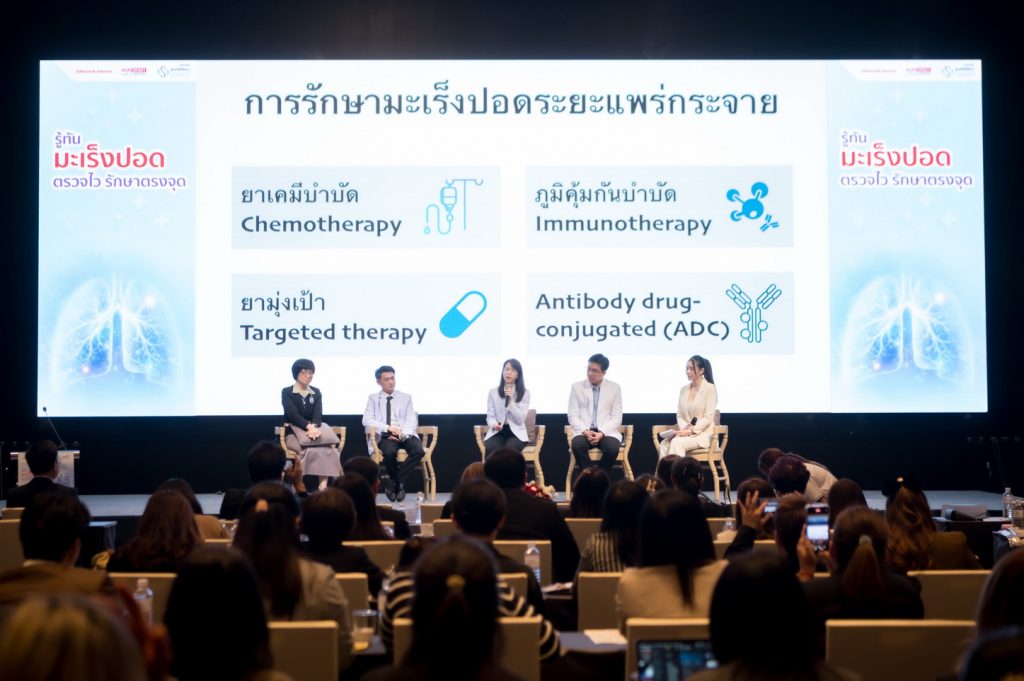
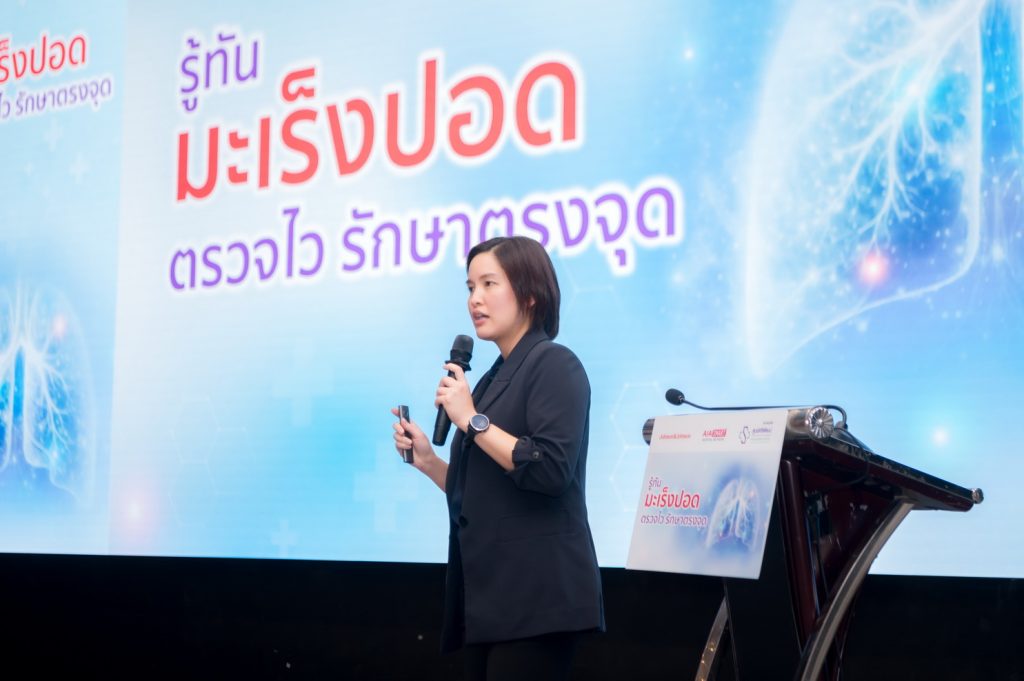
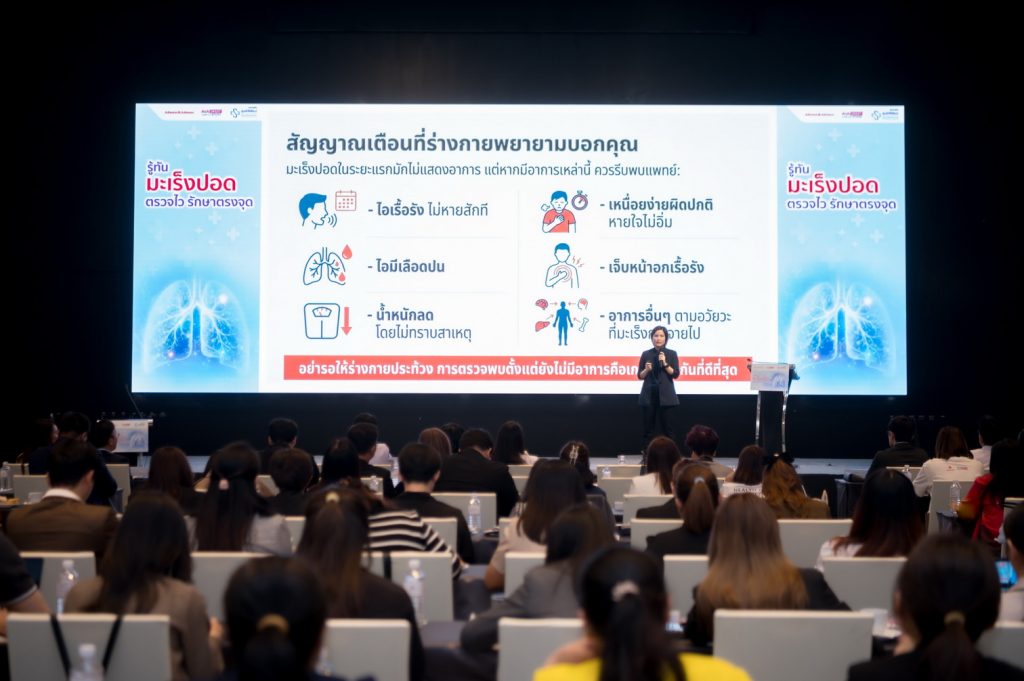
สำหรับการเสวนาในครั้งนี้ ทีมแพทย์เฉพาะทางได้ให้ความรู้ที่ครอบคลุมตั้งแต่แนวทางการรับมือมะเร็งปอดแบบครบวงจร โดยเริ่มจากการปลดล็อกความเข้าใจผิดเกี่ยวกับกลุ่มเสี่ยงที่หลายคนมองข้าม โดย รศ.พญ. ภัทราพร ตาเจริญเมือง อายุรแพทย์โรคระบบทางเดินหายใจและภาวะวิกฤตโรคระบบการหายใจ ระบุว่า ปัจจัยเสี่ยงหลักของมะเร็งปอดยังคงเป็นบุหรี่ รวมถึงบุหรี่ไฟฟ้า (E-cigarette) แต่ที่ห้ามมองข้ามคือ มลภาวะทางอากาศอย่าง PM 2.5 และท้ายที่สุดยังมีงานวิจัยรองรับว่า พันธุกรรมก็เป็นอีกหนึ่งปัจจัยเสี่ยงที่กระตุ้นให้เกิดโรคได้ ที่ร้ายแรงกว่านั้นคือมะเร็งปอดระยะแรกมักไม่แสดงอาการ ทั้งนี้ หากมีอาการเบื้องต้น เช่น ไอเรื้อรัง ไอมีเลือดปน น้ำหนักลดลงโดยไม่มีสาเหตุ หรือเจ็บหน้าอกเรื้อรัง ควรรีบพบแพทย์ทันที
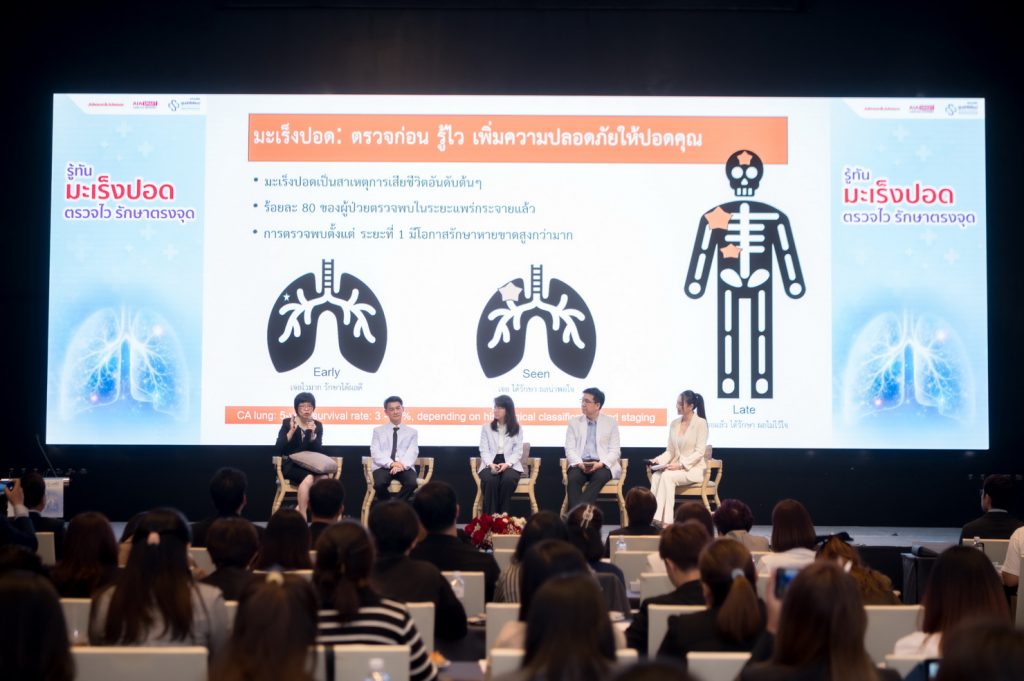
พร้อมตอกย้ำความสำคัญของการคัดกรองเชิงรุกด้วยเทคโนโลยีรังสีวินิจฉัย โดย รศ.พญ. จันทิมา เอื้อตรงจิตต์ แพทย์ผู้เชี่ยวชาญด้านรังสีวินิจฉัยและประธานราชวิทยาลัยรังสีแพทย์ ได้เน้นย้ำว่า การคัดกรองมะเร็งปอดคือจุดเปลี่ยนสำคัญที่ช่วยลดอัตราการเสียชีวิตจากโรคนี้ได้อย่างมีนัยสำคัญ พร้อมกล่าวทิ้งท้ายว่า การตรวจเอกซเรย์คอมพิวเตอร์ชนิดรังสีต่ำ (Low-dose CT)เป็นสิ่งที่ควรทำเป็นประจำทุกปี เพื่อค้นหาโรคแต่เนิ่นๆ ในกลุ่มผู้ที่มีความเสี่ยง เพื่อค้นหารอยโรคตั้งแต่เนิ่นๆ เช่น ผู้ที่สูบบุหรี่จัด ผู้ที่มีอายุ 50-80 ปี ผู้ที่อยู่ในสภาพแวดล้อมที่มีความเสี่ยง เช่น สัมผัสฝุ่น PM 2.5 ควันธูปหรือแร่ใยหินเป็นประจำ หรือผู้ที่มีญาติสายตรงเป็นโรคมะเร็งปอด
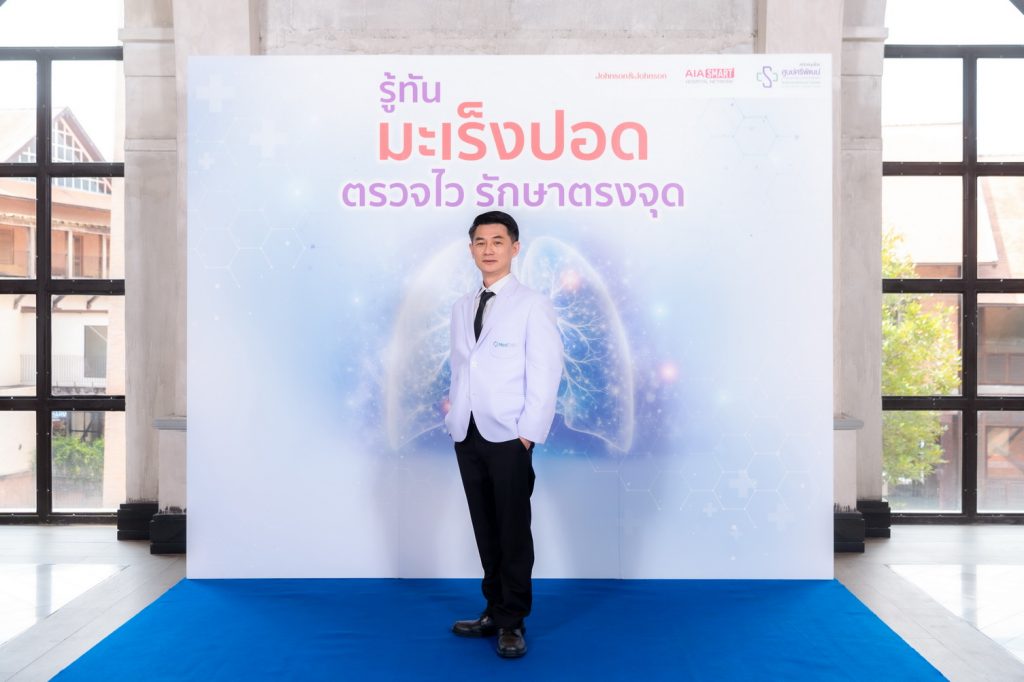
ในด้านการรักษา รศ.นพ. สมเจริญ แซ่เต็ง ศัลยแพทย์ทรวงอก ผู้เชี่ยวชาญด้านการผ่าตัดปอด ได้กล่าวเสริมถึงการรักษาผู้ป่วยโรคมะเร็งปอดระยะเริ่มต้นด้วยการผ่าตัด ซึ่งปัจจุบันมีเทคโนโลยีที่มีประสิทธิภาพสูงคือการผ่าตัดปอดด้วยการส่องกล้อง ซึ่งได้รับการพัฒนาให้สามารถทำการผ่าตัดแบบแผลเล็ก ช่วยให้ผู้ป่วยบาดเจ็บน้อย ฟื้นตัวได้ไว และกลับไปใช้ชีวิตปกติได้เร็วขึ้น ซึ่งตอบโจทย์ตรงกับความต้องการของคนไข้และสอดคล้องกับแนวทางการรักษาโรคในปัจจุบัน
นอกจากนี้ แนวทางการรักษามะเร็งปอดในปัจจุบันยังมีความก้าวหน้าอย่างต่อเนื่อง โดยเฉพาะ “การรักษาแบบมุ่งเป้า (Targeted Therapy) ที่อาศัยผลการตรวจยีนของเซลล์มะเร็งมาใช้ประกอบการวางแผนการรักษา ดร.พญ. ทรงภรณ์ โอฬารรัตนชัย อายุรแพทย์สาขามะเร็งวิทยา ศูนย์ศรีพัฒน์ คณะแพทยศาสตร์ มหาวิทยาลัยเชียงใหม่ อธิบายว่า ปัจจุบันผู้ป่วยมะเร็งปอดในระยะแพร่กระจาย อาจตรวจพบความผิดปกติของยีน ซึ่งสามารถใช้เป็นข้อมูลสำคัญในการพิจารณาการรักษาด้วยยามุ่งเป้า การรักษาในกลุ่มนี้มุ่งทำลายเซลล์มะเร็งที่มีความผิดปกติเฉพาะจุด ส่งผลให้ผู้ป่วยจำนวนมากสามารถควบคุมโรคได้ดีขึ้น และมีคุณภาพชีวิตที่ดีขึ้นระหว่างรับการรักษา ทั้งนี้ ผลลัพธ์ของการรักษาจะขึ้นอยู่กับชนิดของยีนที่ตรวจพบ ระยะของโรค และการประเมินของแพทย์ผู้เชี่ยวชาญเป็นรายบุคคล
ไม่เพียงแต่นวัตกรรมทางการแพทย์ ภายในงานยังมีการบูรณาการด้านความมั่นคงทางสุขภาพ โดย นพ. สมสกุล ศรีพิสุทธิ์ ผู้อำนวยการแพทย์ ฝ่ายบริหารจัดการด้านสุขภาพ เอไอเอ ประเทศไทย ได้มาร่วมให้ความรู้พื้นฐานเกี่ยวกับประกันสุขภาพโรคมะเร็ง เพื่อช่วยให้ประชาชนสามารถเข้าถึงนวัตกรรมการรักษาโดยไร้ความกังวลด้านภาระค่าใช้จ่าย พร้อมจัดกิจกรรมตรวจสุขภาพเบื้องต้น เพื่อส่งเสริมให้ชาวเชียงใหม่ตระหนักว่า “มะเร็งปอดตรวจพบไว มีโอกาสหายขาดได้”
Sriphat Medical Center, Faculty of Medicine, Chiang Mai University warns of soaring lung cancer risk in Northern Thailand; leverages innovations in precise screening and minimally invasive thoracoscopic surgery to tackle the PM2.5 crisis and boost survival chances
Alarming statistics from the National Cancer Institute (NCI) indicate that in 2025, Thailand saw approximately 140,000 new cancer cases per year (nearly 400 per day), with around 83,000 deaths. In particular, “lung cancer” is one of the most common cancers among Thai people and ranks as the number one cause of cancer-related death, with 15,022 deaths per year (about 41 per day). These figures clearly reflect that lung cancer is the leading health threat that must be screened for as early as possible.
This situation is even more severe in Chiang Mai and Northern Thailand, which have faced a persistent PM2.5 dust crisis for many years—especially from February to April, when levels often surge to multiple times above WHO standards. These pollutants act like tiny carcinogens that trigger chronic inflammation and cause lung cell mutations. As a result, even non-smokers are at high risk. Most concerning is that over 85% of patients are diagnosed only after the disease has progressed, because early-stage lung cancer typically shows no symptoms.
To address this crisis, Johnson & Johnson (Thailand) Limited, together with AIA Thailand (AIA) and supported by Sriphat Medical Center, Faculty of Medicine, Chiang Mai University—a key treatment hub in Northern Thailand—held a seminar titled “Know Lung Cancer: Detect Early, Treat Precisely.” The event aimed to educate the public about lung cancer, including prevention, proper screening, and modern treatment options, emphasizing integrated, patient-centered care.
The seminar highlighted the importance of medical innovations, from AI-assisted chest X-rays and low-dose CT scans (Low Dose CT) for screening. If lesions are detected early, patients can receive minimally invasive surgery (MIS) via thoracoscopy, which offers small incisions, less trauma, faster recovery, and high chances of cure. The event also emphasized targeted drug therapies, which can improve survival rates and quality of life when the disease is advanced—reinforcing that early detection and precise treatment greatly increase the chance of cure.
Sriphat Medical Center also stresses the role of a Multidisciplinary Team, from the start of the treatment journey, involving pulmonologists, radiologists, thoracic surgeons, and oncologists to develop individualized care plans for each patient.
At this seminar, specialist physicians provided comprehensive guidance on lung cancer management. Assoc. Prof. Dr. Patraporn Tajaroenmuang, a pulmonologist and critical respiratory care specialist, stated that the main risk factor remains smoking, including e-cigarettes, but air pollution such as PM2.5 must not be overlooked. Research also supports genetics as another risk factor. Even more dangerous is that early-stage lung cancer often has no symptoms; however, if warning signs occur—such as chronic cough, coughing up blood, unexplained weight loss, or persistent chest pain—people should see a doctor immediately.
Reinforcing proactive screening with advanced diagnostic imaging, Assoc. Prof. Dr. Chantima Ueatrongchit, a radiology specialist and President of the Royal College of Radiologists, emphasized that lung cancer screening is a crucial turning point that can significantly reduce mortality. She concluded that annual low-dose CT scans should be done to detect disease early in high-risk groups, such as heavy smokers, people aged 50–80, those regularly exposed to PM2.5, incense smoke, or asbestos, or those with a first-degree relative with lung cancer.
Regarding treatment, Assoc. Prof. Dr. Somcharoen Saeteng, a thoracic surgeon specializing in lung surgery, added that early-stage lung cancer can be treated effectively with surgery, and that today’s highly effective technology is thoracoscopic lung surgery, developed to enable minimally invasive procedures with smaller wounds, less injury, faster recovery, and quicker return to normal life—aligning with patient needs and modern treatment approaches.
In addition, lung cancer treatment continues to advance—especially Targeted Therapy, which uses genetic testing results from cancer cells to guide treatment planning. Dr. Songporn Olarattanachai, an oncologist at Sriphat Medical Center, Faculty of Medicine, Chiang Mai University, explained that metastatic lung cancer patients may have detectable genetic abnormalities that can inform targeted therapy decisions. This approach focuses on destroying cancer cells with specific abnormalities, helping many patients control the disease better and maintain improved quality of life during treatment. Outcomes depend on the type of gene mutation found, the stage of disease, and the specialist’s individualized assessment.
Beyond medical innovation, the event also integrated health security aspects. Dr. Somsakul Sripisut, Medical Director, Health Management Administration, AIA Thailand, provided basic knowledge about cancer health insurance to help people access innovative treatments without worrying about financial burden. Basic health check activities were also organized to encourage Chiang Mai residents to recognize that “If lung cancer is detected early, there is a chance of complete cure.”