

ศูนย์วิจัยกสิกรไทยคาดการณ์อัตราการเติบโตของเศรษฐกิจไทยปี 2569 ที่ 1.6% เทียบกับที่คาดว่าจะขยายตัวที่ 2.0% ในปี 2568 จากอุปสงค์ต่างประเทศและในประเทศที่ชะลอลง ส่งออกสินค้าของไทยในปี 2569 คาดว่าจะหดตัวส่งผลทำให้แรงขับเคลื่อนที่สำคัญของเศรษฐกิจไทยลดลง การท่องเที่ยวยังฟื้นตัวไม่เต็มที่ ในขณะที่การบริโภคของครัวเรือนได้รับแรงหนุนจากการใช้จ่ายและมาตรการกระตุ้นเศรษฐกิจของภาครัฐที่ลดลงตามข้อจำกัดทางการคลัง มอง กนง. ลดดอกเบี้ยต่ออีก 1 ครั้ง อีกทั้งยังต้องติดตามความไม่แน่นอนทางการเมือง

นายบุรินทร์ อดุลวัฒนะ กรรมการผู้จัดการ และ Chief Economist บริษัท ศูนย์วิจัยกสิกรไทย จำกัด เปิดเผยว่า ในปี 2569 องค์การการค้าโลก (WTO) คาดการณ์ว่าการค้าโลกมีแนวโน้มชะลอตัวลงจากปี 2568 ที่ขยายตัวได้ 2.4% มาอยู่ที่ 0.5% เนื่องจากมาตรการภาษีของทรัมป์ได้ส่งผลต่อต้นทุนการค้าและเพิ่มความไม่แน่นอน ในปี 2568 การค้าโลกได้อานิสงส์จากการเร่งส่งออกของภาคธุรกิจก่อนที่ภาษีเริ่มบังคับใช้จริงในเดือนสิงหาคม บวกกับแรงหนุนจากการส่งออกสินค้าเกี่ยวกับเทคโนโลยี AI ที่พุ่งแรง โดยเฉพาะการส่งออกจากเอเชียไปสหรัฐฯ ตามการลงทุนใน Data Center และโครงสร้างพื้นฐาน AI ของสหรัฐฯ สวนทางกับสินค้าประเภทอื่นที่ไม่ใช่ AI (Non-AI) ที่ชะลอตัวลงอย่างชัดเจน ในขณะที่การส่งออกจากจีนไปเอเชียยังเติบโตได้ดีต่างกับการส่งออกไปสหรัฐฯ อย่างไรก็ดีธุรกิจในประเทศจีนยังเผชิญกับการแข่งขันรุนแรงทั้งด้านกำลังการผลิตและสงครามราคา (Anti-Involution) ซึ่งกดดันการทำกำไรของภาคธุรกิจในจีนอย่างต่อเนื่อง
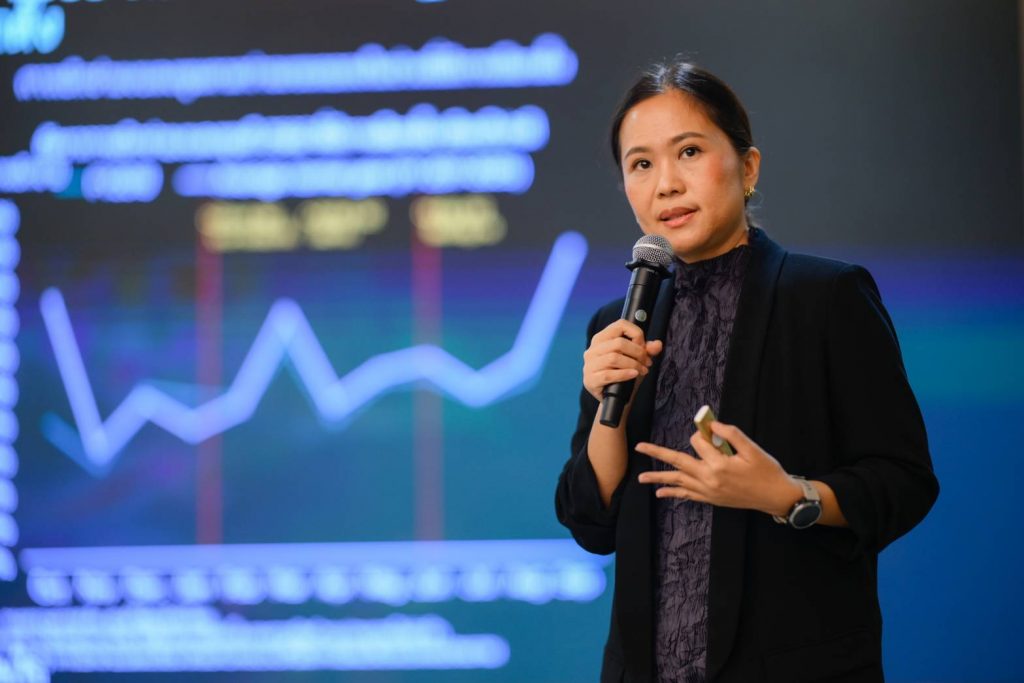
นางสาวณัฐพร ตรีรัตน์ศิริกุล รองกรรมการผู้จัดการ บริษัท ศูนย์วิจัยกสิกรไทย จำกัด ระบุว่า เศรษฐกิจไทยมีแนวโน้มชะลอลงในปี 2569 โดยศูนย์วิจัยกสิกรไทยคาดการณ์อัตราการเติบโตของเศรษฐกิจไทยปี 2569 ที่ 1.6% เทียบกับปี 2568 ที่คาดว่าจะขยายตัวที่ 2.0% โดยส่งออกสินค้าของไทยในปี 2569 คาดว่าจะหดตัวส่งผลทำให้แรงขับเคลื่อนที่สำคัญของเศรษฐกิจไทยลดลง การท่องเที่ยวที่จะยังฟื้นตัวกลับมาได้ไม่เต็มที่ ในขณะที่การบริโภคของครัวเรือนที่ยังเป็นแรงขับเคลื่อนหลักของเศรษฐกิจมีแนวโน้มชะลอลง ส่วนหนึ่งจากแรงหนุนจากการใช้จ่ายและมาตรการกระตุ้นเศรษฐกิจของภาครัฐอาจลดลงตามข้อจำกัดทางการคลัง โดยคาด กนง. ลดดอกเบี้ยนโยบายต่ออีก 1 ครั้ง ในปี 2569 นอกจากนี้ ยังต้องติดตามความไม่แน่นอนทางการเมือง โดยเฉพาะหลังการเลือกตั้งด้วยเช่นกัน
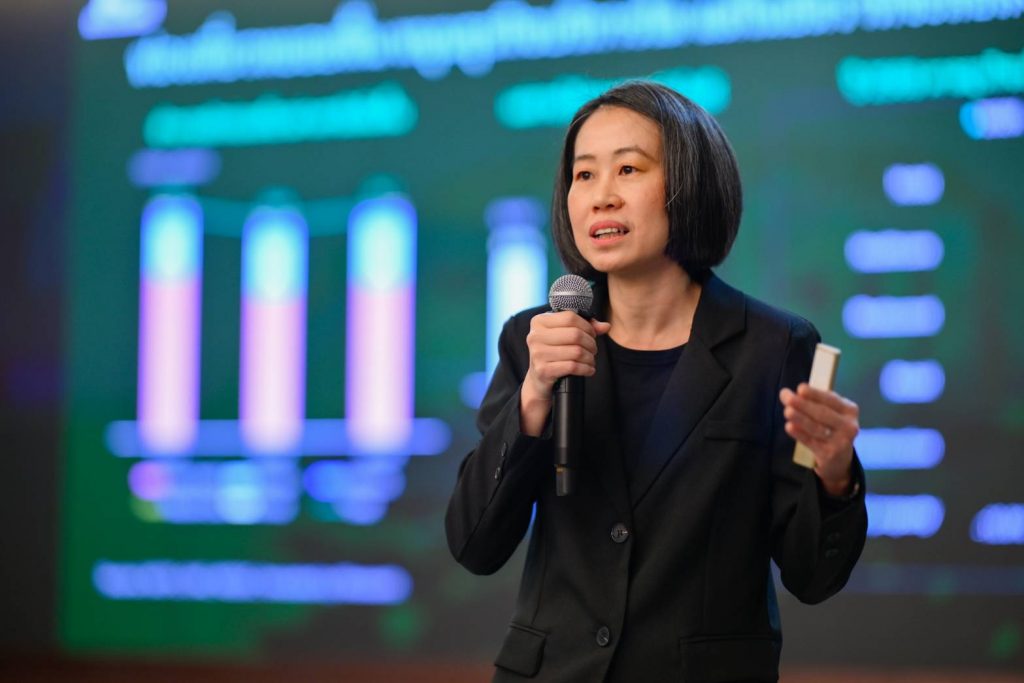
นางสาวเกวลิน หวังพิชญสุข รองกรรมการผู้จัดการ บริษัท ศูนย์วิจัยกสิกรไทย จำกัด ประเมินว่า ทิศทางธุรกิจปี 2569 ยังอยู่ท่ามกลางความท้าทาย การชะลอลงของคำสั่งซื้อทั้งในและต่างประเทศ รวมถึงการแข่งขันกับสินค้านำเข้า กดดันการผลิตต่อเนื่อง ทำให้ดัชนีผลผลิตอุตสาหกรรม (MPI) เสี่ยงหดตัวเป็นปีที่ 4 ส่วนธุรกิจบริการส่วนใหญ่ (เช่น ค้าปลีก ร้านอาหาร การแพทย์ ก่อสร้าง เป็นต้น) คาดเติบโตชะลอลง ขณะเดียวกันต้นทุนวัตถุดิบบางอย่างยังสูงและค่าแรงอาจปรับขึ้น ทำให้การสร้างรายได้สุทธิจะยากขึ้นภายใต้ศักยภาพตลาดที่โตต่ำ ธุรกิจจึงยังต้องเน้นการเพิ่มผลิตภาพ (Productivity) ปรับตัวรับเทรนด์อย่างแตกต่าง และมองหาตลาดใหม่

นางสาวธัญญลักษณ์ วัชระชัยสุรพล รองกรรมการผู้จัดการ บริษัท ศูนย์วิจัยกสิกรไทย จำกัด กล่าวเพิ่มเติมว่า สินเชื่อของระบบธนาคารพาณิชย์จดทะเบียนในประเทศ (ระบบแบงก์ไทย) มีแนวโน้มหดตัวลงต่อเนื่องในปี 2569 สอดคล้องกับภาพการชะลอตัวของกิจกรรมทางเศรษฐกิจและธุรกิจ โดยคาดว่า สินเชื่อของระบบแบงก์ไทยจะหดตัวลง 0.7% ในปี 2569 ต่อเนื่องจากที่คาดว่าจะหดตัวลง 2.3% ในปี 2568 โดยสินเชื่อธุรกิจเอสเอ็มอีและสินเชื่อรายย่อย ทั้งในส่วนของสินเชื่อบ้านและสินเชื่อเช่าซื้อ จะยังคงหดตัวตามข้อจำกัดด้านรายได้และอำนาจซื้อของภาคครัวเรือน ขณะที่ หนี้ครัวเรือนในปี 2569 มีแนวโน้มชะลอลงมาที่ระดับไม่เกิน 85% ต่อจีดีพี ยังถือว่าอยู่ในระดับที่ค่อนข้างสูง นอกจากนี้ ยังต้องติดตามความสามารถในการชำระคืนหนี้ของลูกหนี้ รวมถึงทิศทางคุณภาพสินเชื่อในปี 2569 ด้วยเช่นกัน
KResearch projects Thailand’s GDP growth to slow to 1.6% in 2026 due to weaker external and domestic demand; political uncertainty needs close watch
KResearch forecasts Thailand’s economic growth at 1.6 percent in 2026, compared with an estimated 2.0-percent expansion in 2025, due to slowing demand both at home and abroad. Thai merchandise exports, a key driver of the economy, are projected to contract in 2026. Tourism has yet to fully recover, while household consumption may soften as government spending and stimulus measures ease in light of fiscal constraints. The Monetary Policy Committee (MPC) is expected to cut its policy rate one more time. Additionally, political uncertainty will remain an important factor to watch.
Mr. Burin Adulwattana, Managing Director and Chief Economist of KASIKORN RESEARCH CENTER (KResearch), said that the World Trade Organization (WTO) expects global trade to slow from 2.4-percent growth in 2025 to 0.5 percent in 2026, as the Trump administration’s tariff measures increase both trade costs and related uncertainty. In 2025, global trade benefited from front-loaded shipments ahead of the tariff implementation in August, coupled with a surge in exports of AI-related products – particularly from Asia to the US – driven by US investments in data centers and AI infrastructure. This trend contrasts with a marked slowdown in exports of non-AI items. Meanwhile, China’s exports to Asia remain strong despite weaker shipments to the US. However, Chinese businesses still face intense competition in production capacity and price wars, putting persistent pressure on corporate profitability.
Ms. Nattaporn Triratanasirikul, KResearch Deputy Managing Director, noted that the Thai economy is set to slow in 2026. KResearch projects GDP growth of 1.6 percent in 2026, compared to the estimated 2.0-percent expansion in 2025. Thai exports are expected to decline in 2026, hindering a major economic driver. Tourism is unlikely to see a full recovery, while household consumption – the key growth engine – is expected to soften due in part to reduced support from government spending and stimulus measures under fiscal constraints. The MPC is expected to lower the policy rate once more in 2026. Political uncertainty, especially following the election, will also warrant close monitoring.
Ms. Kevalin Wangpichayasuk, KResearch Deputy Managing Director, assessed that the business outlook for 2026 will remain challenging. Sluggish domestic and external orders, together with competition from imported products, will continue to pressure production. As a result, the Manufacturing Production Index (MPI) risks contracting for the fourth consecutive year. Most service businesses (such as retail, restaurants, healthcare, and construction) are expected to see slower growth. At the same time, costs of some raw materials may remain high, and wages may rise, making net revenue generation more difficult in a low-growth market environment. Businesses will therefore need to focus on enhancing productivity, adapting to emerging trends in innovative ways, and exploring new markets.
Ms. Thanyalak Vacharachaisurapol, KResearch Deputy Managing Director, added that loans in the Thai banking system are likely to contract further in 2026, in line with slowing economic activity. Outstanding loans are projected to shrink by 0.7 percent in 2026, following an anticipated contraction of 2.3 percent in 2025. SME and retail lending – including mortgages and hire-purchase loans – are expected to remain subdued due to income constraints and limited purchasing power. Household debt in 2026 is projected to decrease to no more than 85 percent of GDP, still considered relatively high. Close attention must also be paid to borrowers’ repayment capacity and overall credit quality in 2026.